ouR HistoRy
Wartski is a family business specialising in the work of Carl Fabergé, antique jewellery, silver and objets de vertu. It was founded by Morris Wartski in 1865 and has had the honour of serving five successive generations of the British monarchy, receiving the warrants of His Majesty King Charles III and Her Majesty Queen Camilla in 2024.
Our chairman Hector Snowman is the great-great-grandson of Morris Wartski, succeeding his late father Nicholas Snowman in 2023. He follows the tradition established by his grandfather Kenneth Snowman (1919-2002), and preserved by Nicholas, to promote the academic research which the firm undertakes on topics related to the history of jewellery and goldsmithing.
The firm is renowned for its extensive range of works by Carl Fabergé, a focus prompted by the acquisition of major examples of his oeuvre by Hector’s great-grandfather Emanuel Snowman (1886-1970) in the 1920’s. Wartski remains the leading expert in works by the Russian Imperial Court jeweller to this day.
Wartski recently celebrated its 160th anniversary and below you will find a timeline of some of the remarkable moments, people and treasures that shaped our first one hundred and sixty years.
ouR timeLine
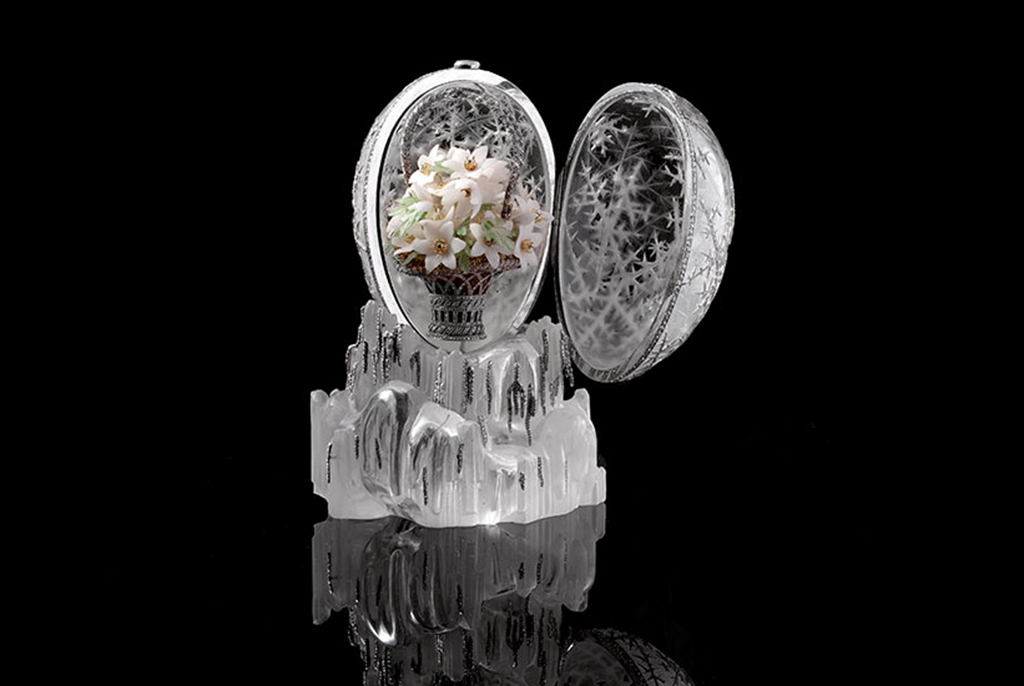
Wartski purchases ‘The Winter Egg’
Wartski re-acquires The Winter Egg for £22,895,000.
The last time the firm had owned this masterpiece was in 1934.
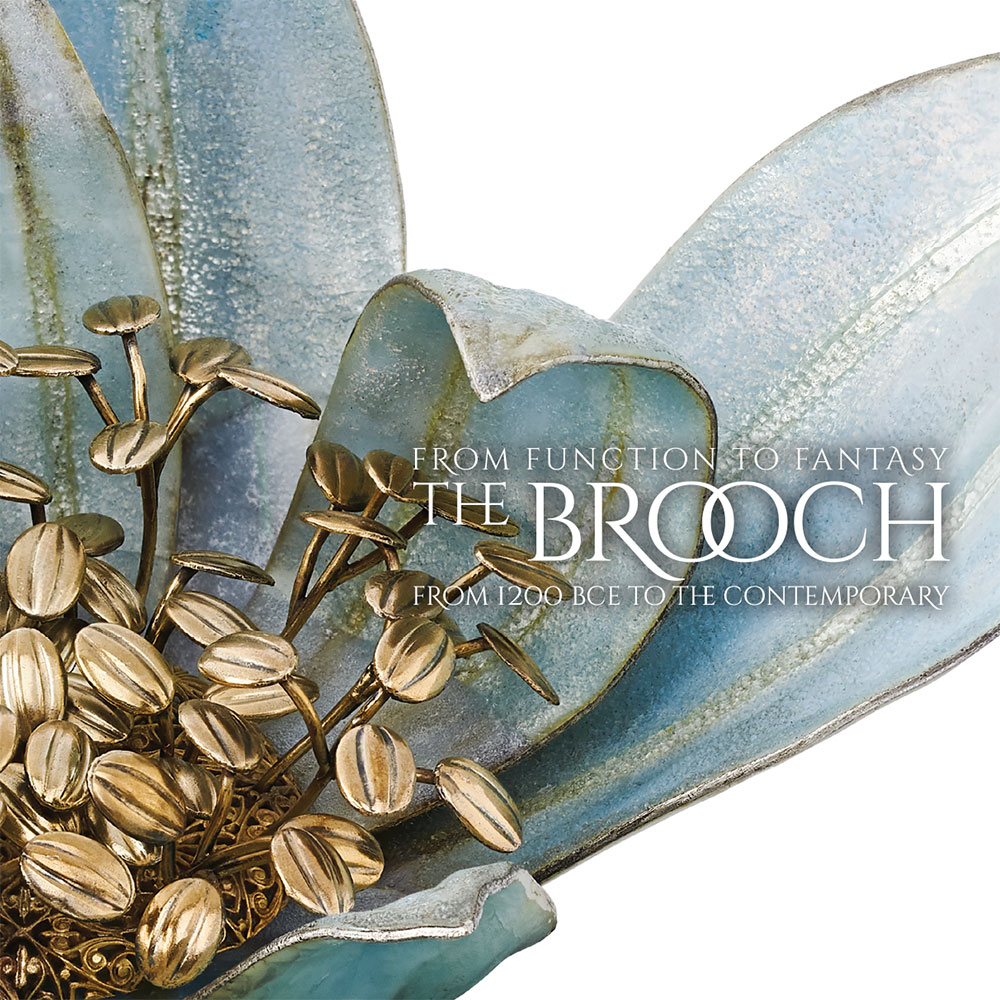
‘From Function to Fantasy, The Brooch’ exhibition
To celebrate the one hundred and sixtieth anniversary of the firm, Wartski curated a blockbuster exhibition which explored the brooch in all its myriad forms and styles from the Bronze Age to the present day. It contained over two hundred and fifty loans from across the world, including an exquisite diamond spray of cherry blossom by René Lalique, as well as a previously unseen enamelled gold corsage ornament by Lalique, in the form of dancing dragonflies and damselflies.
Wartski is granted the warrant of His Majesty King Charles III and Her Majesty Queen Camilla
Wartski was honoured to be granted the warrant in 2024, Jewellers to His Majesty King Charles III and Her Majesty Queen Camilla.
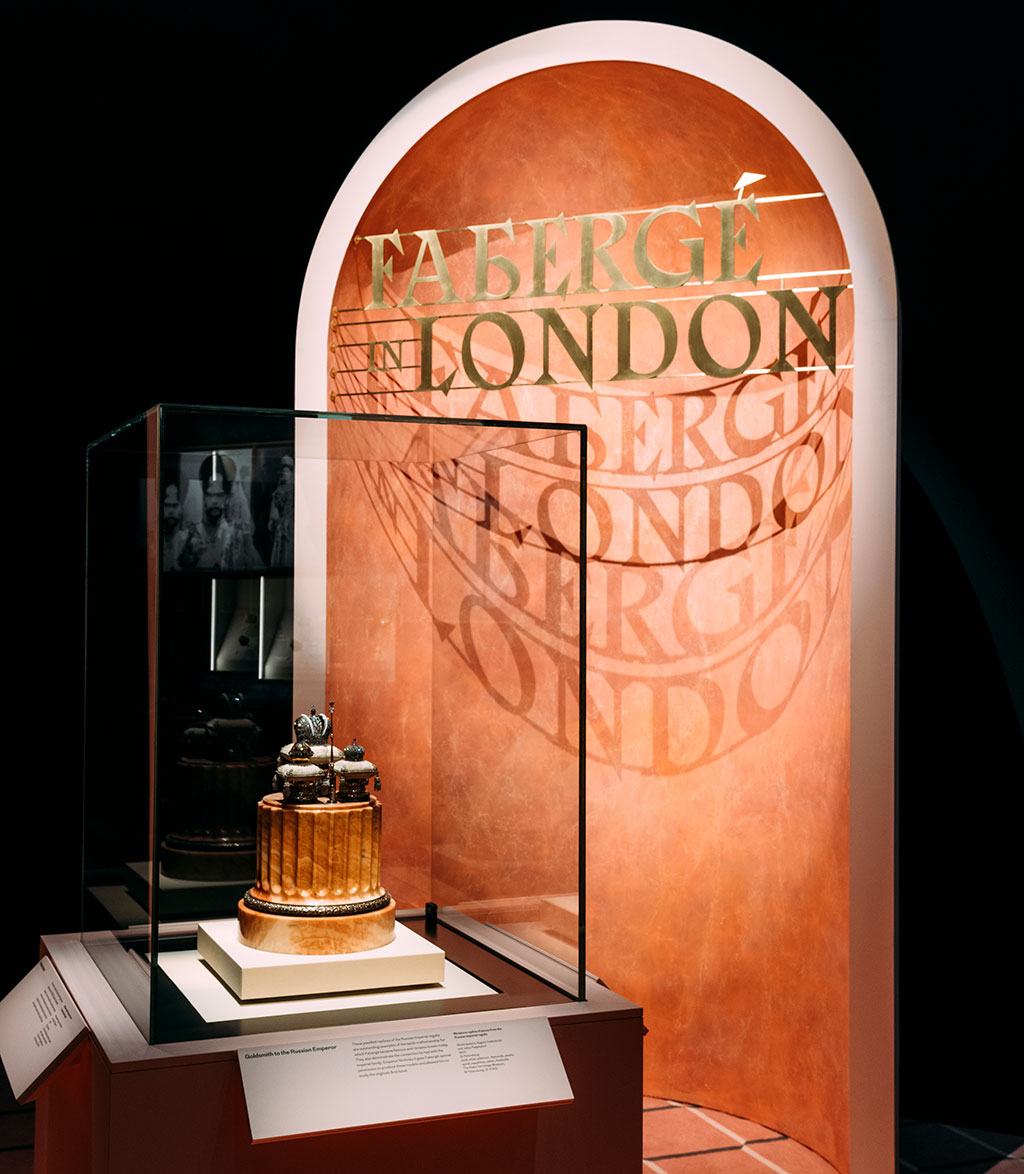
‘Fabergé in London: Romance to Revolution’
Following the success of ‘Fabergé in London’, Wartski was approached by the Victoria and Albert Museum to curate an exhibition dedicated to the London branch of Fabergé. Two hundred masterpieces from across the world were generously lent, including pieces from the collection of Her Majesty Queen Elizabeth II and previously unseen private collections. Fifteen Imperial Easter eggs concluded the exhibition, with examples that had never been displayed in Britain before.
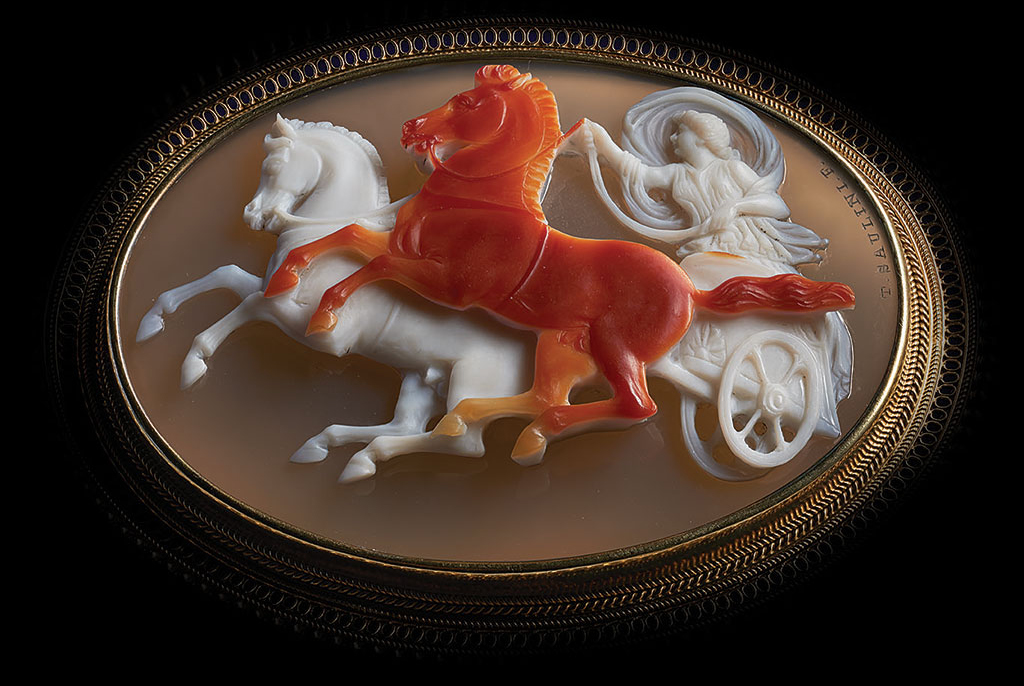
‘Multum in Parvo’ exhibition
The first exhibition in our new premises at 60 St James’s Street, it was also the first dedicated selling exhibition in Wartski’s history. Multum In Parvo brought together an exceptional group of engraved gems from the ancient world to the nineteenth century and included treasures with Royal provenances, as well as examples from the legendary collection of the Duke of Marlborough. Excitement from collectors was feverish and one buyer queued 3 days and nights to secure certain pieces.
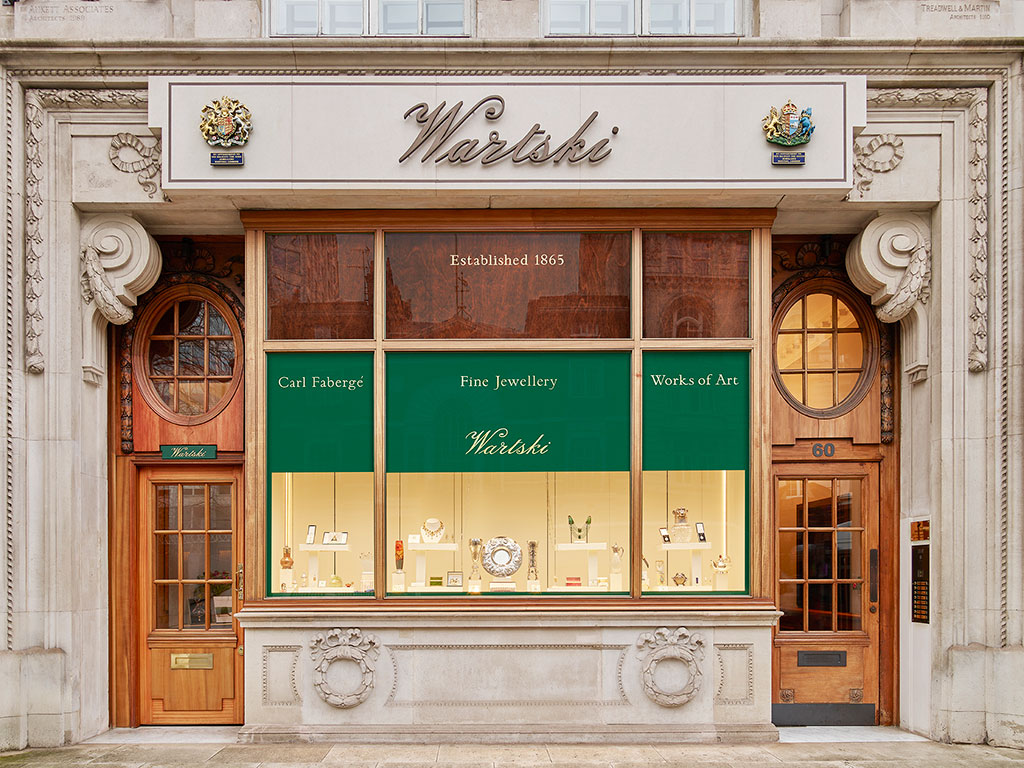
Wartski moves to 60 St James’s Street
Following forty years at 14 Grafton Street, Wartski moved to their new premises at 60 St James’s Street in 2018, a stone’s throw away from St James’s Palace and neighbouring other historic businesses and warrant holders.
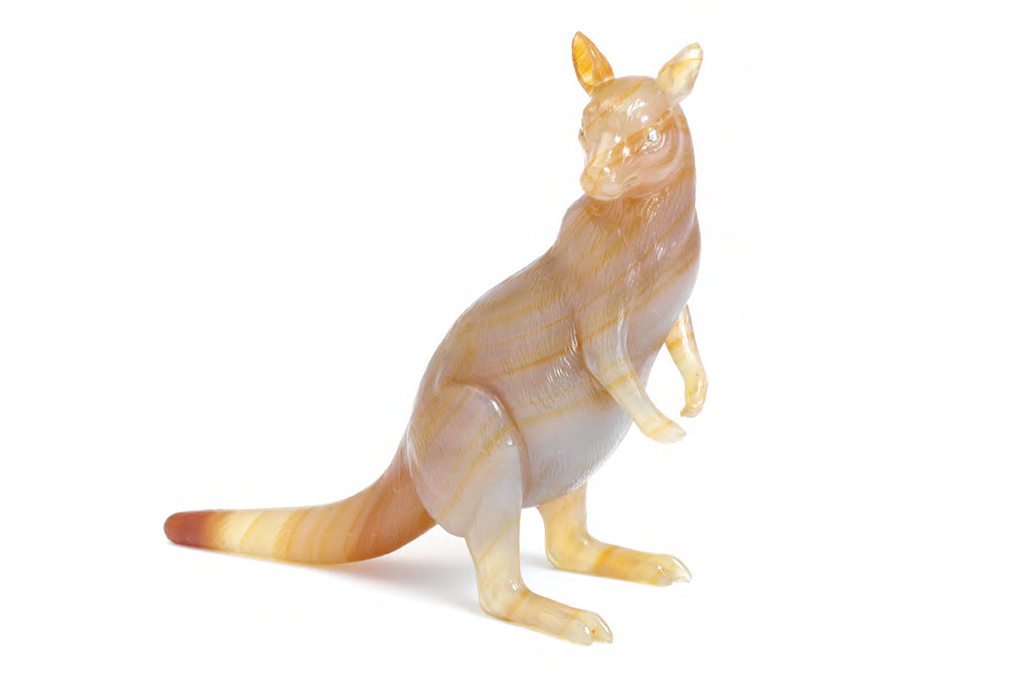
The Snowman gift to The Victoria and Albert Museum
Treasures collected by the chairmen of Wartski over several generations were presented to The Victoria and Albert Museum. It included an exceptional chatelaine by the Dresden master goldsmith Johann Christian Neuber; an enamelled gold English Renaissance ring with a cameo of Queen Elizabeth I and a group of exceptional objets de vertu and animal studies by Fabergé.
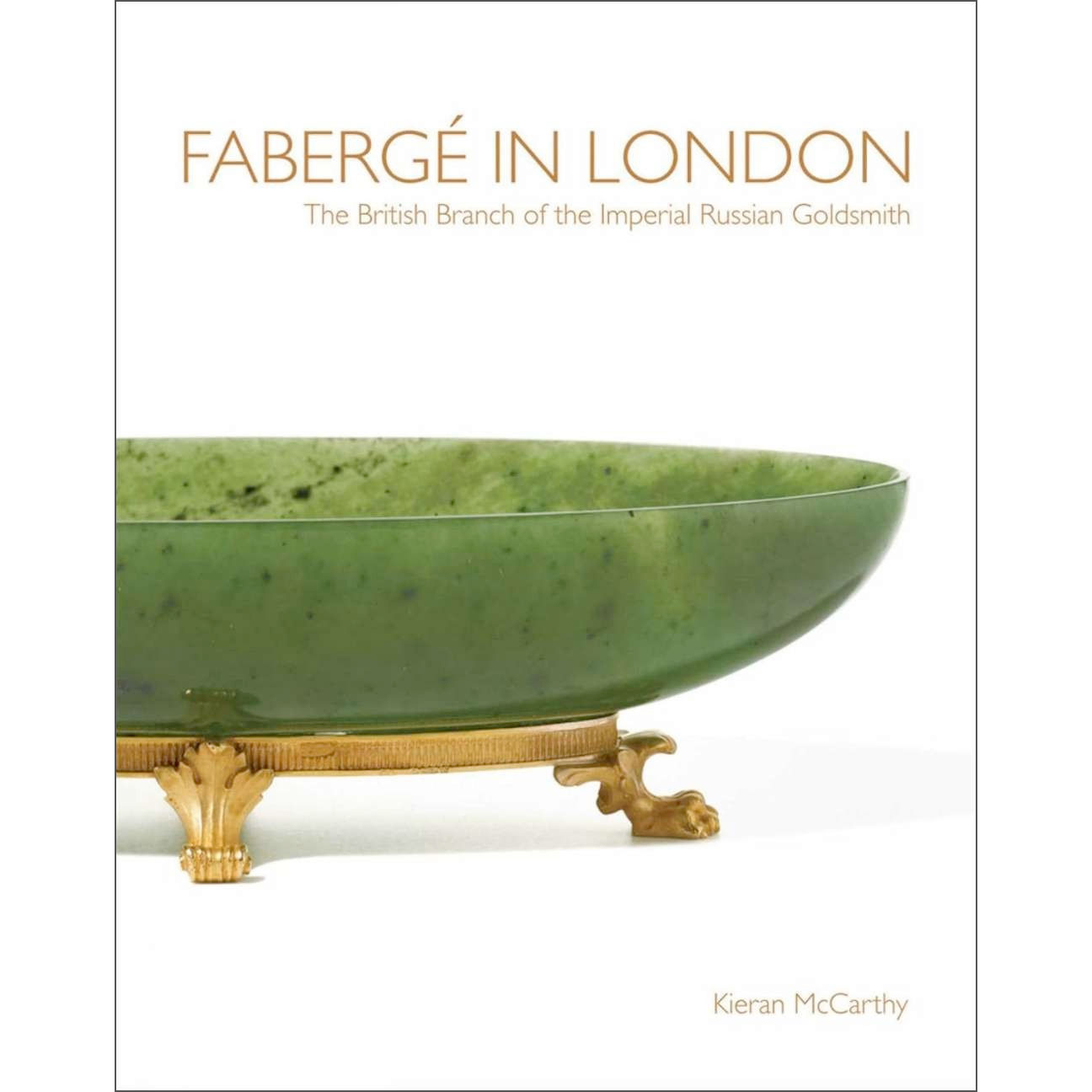
‘Fabergé in London’ published
The first history dedicated to the London branch of Fabergé is published following years of research by Kieran McCarthy and his rediscovery of the Bainbridge archive. It included previously unseen documents from the former manager of Fabergé’s Bond Street shop, which provided fascinating new insights into the history of the firm.
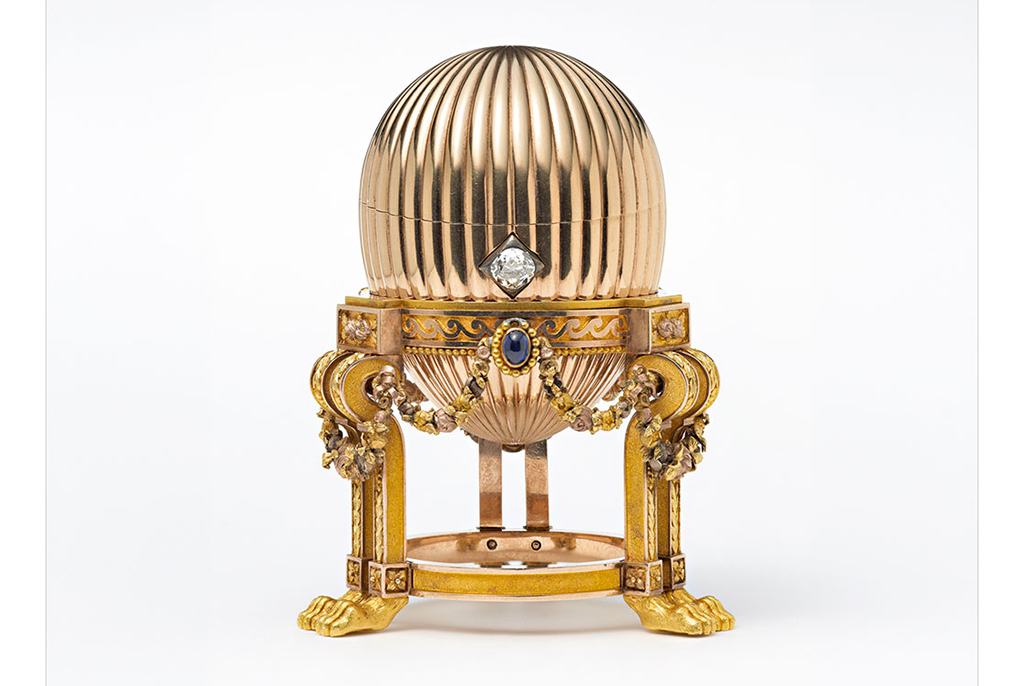
The Third Imperial Egg is rediscovered
One of the most exciting and historic moments in Wartski’s history. The once lost Third Imperial Easter Egg, made by Carl Fabergé in 1887 for Tsar Alexander III to give to his wife Tsarina Marie Feodorovna, was rediscovered in 2013 by Kieran McCarthy. The egg went on public display for the first time since 1902 in the Grafton Street shop in 2014.
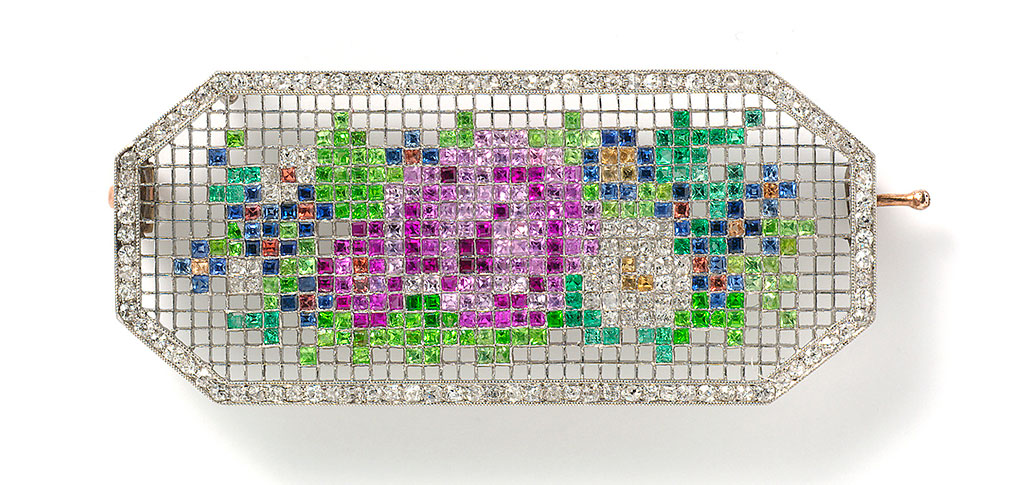
A Diamond Jubilee Tribute: Fabergé from a Private Collection
To mark the Diamond Jubilee of Queen Elizabeth II, Wartski was thrilled to display a collection we had helped to build over many decades and one of the largest private collections of Fabergé ever created. The collection of Harry Woolf included a staggering array of hardstone animals, as well as the only known example of the mosaic technique of gem setting by Fabergé, other than the Imperial Mosaic Easter Egg now in the collection of His Majesty King Charles III.
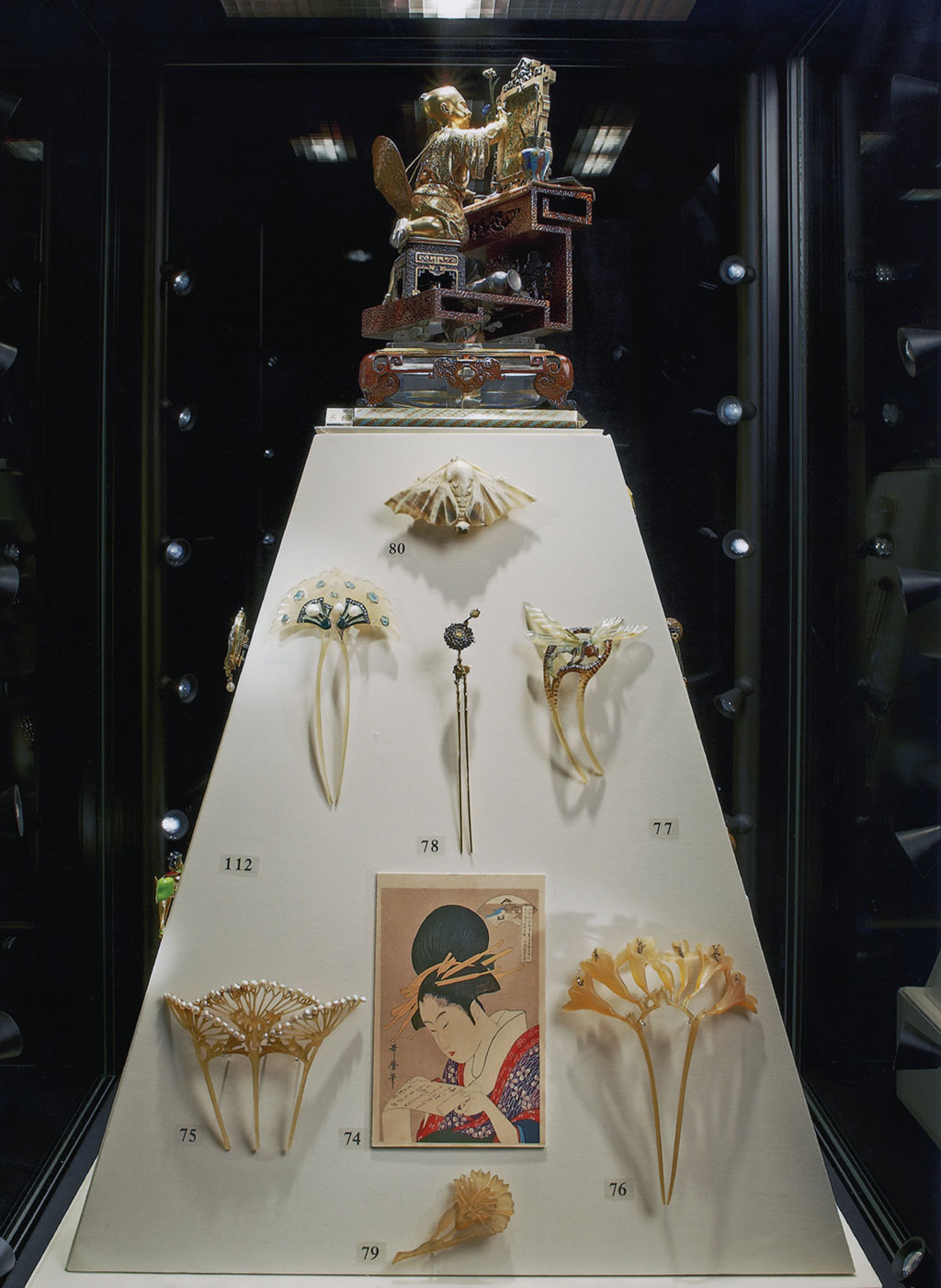
‘Japonisme’ exhibition
Continuing the tradition of exhibitions which have sought to explore previously unchartered topics, this groundbreaking show and accompanying catalogue explored the influence of Japanese art and design on the work of goldsmiths and jewellers working in the West. Incorporating loans from museum and private collections, it has become an important reference for curators and collectors as the only study of its kind on this subject.
Wartski makes the wedding ring for Her Royal Highness The Duchess of Cambridge
The ring was fashioned from Welsh gold gifted by Queen Elizabeth II for the marriage of His Royal Highness The Prince William to Kate Middleton on 29th April, 2011.
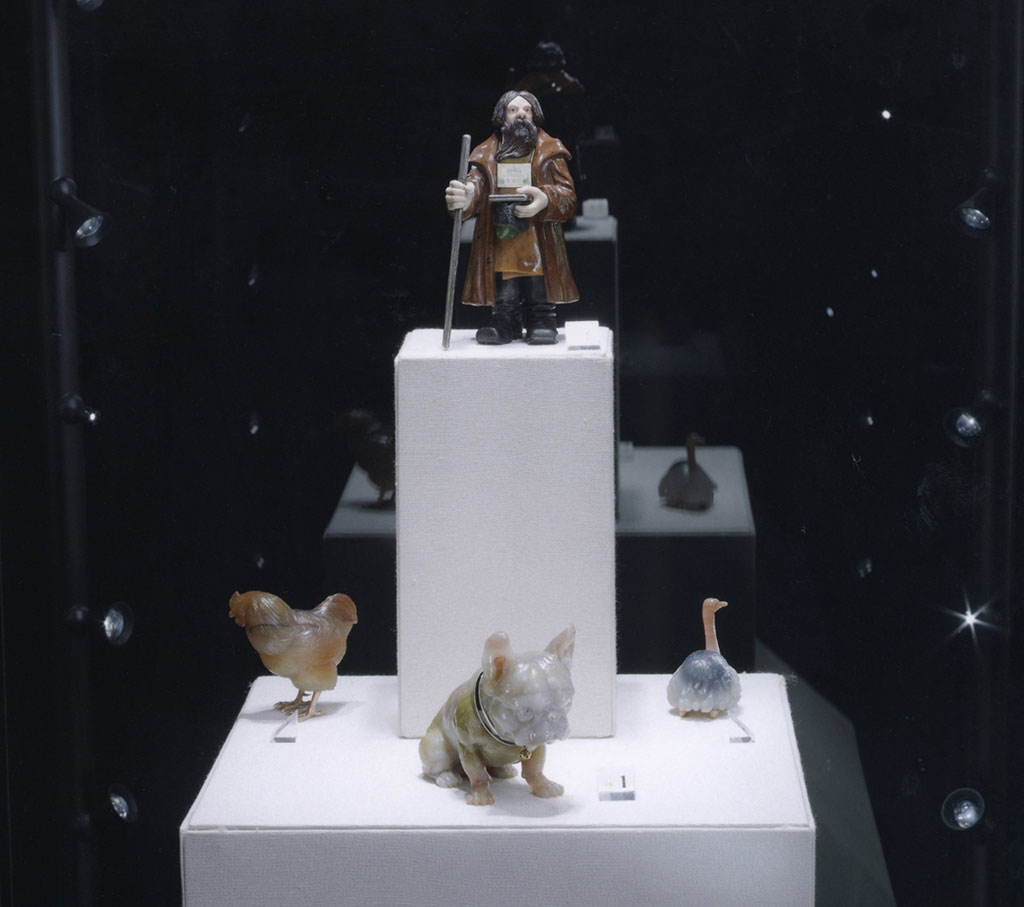
‘The Last Flowering of Court Art’ exhibition
For generations, Wartski has assisted collectors in building formidable collections of Fabergé. In 2010, we were delighted to be entrusted with the first public display of one such collection, which included many masterpieces by the Russian court jeweller. It included a poetic flower study of Lily of the Valley which had previously belonged Queen Helen of Romania and a rare hardstone figure of a Bogomoletz.
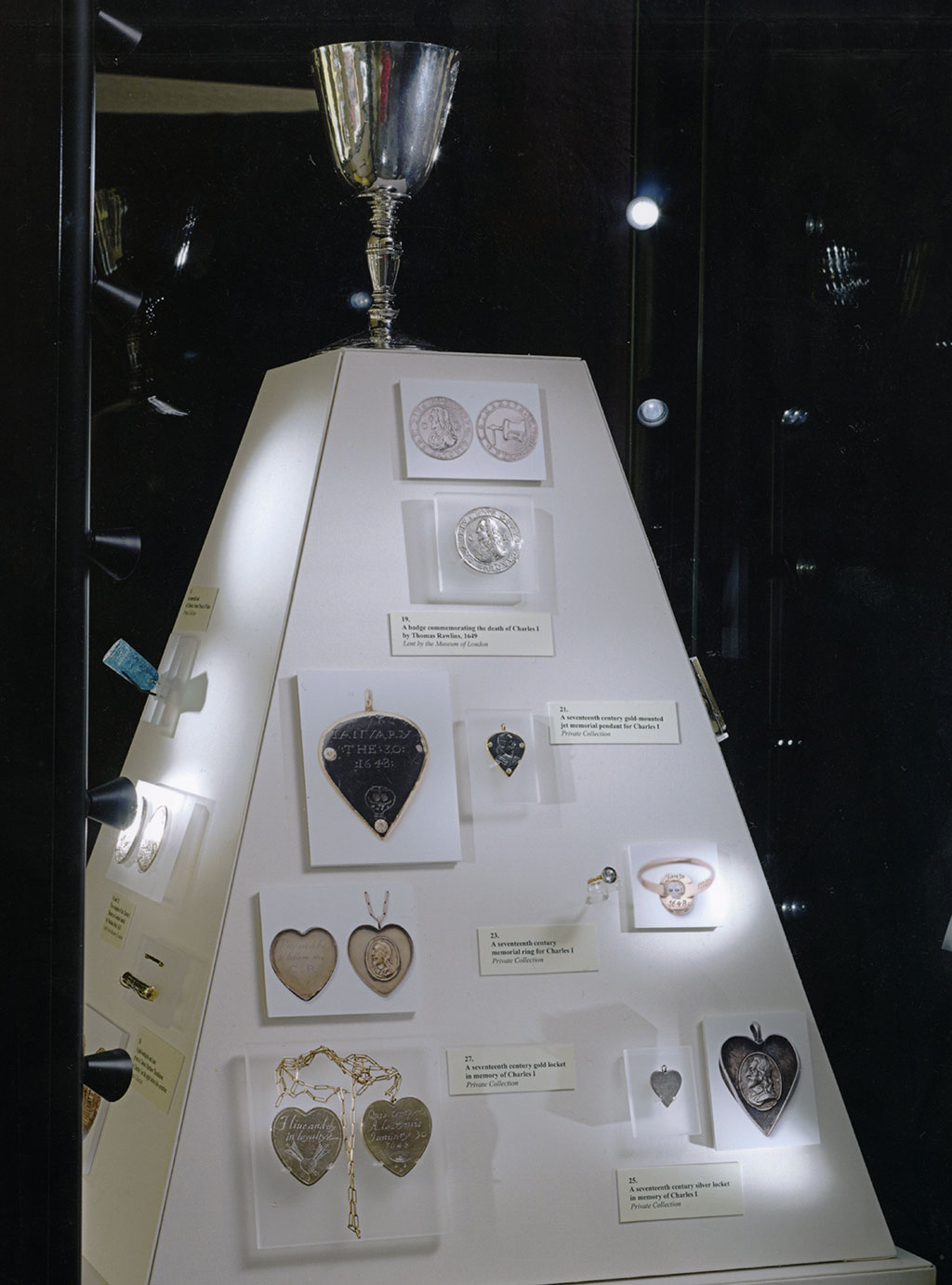
‘The King’s Blood: Relics of King Charles I’ exhibition
Perhaps the most intimate and haunting exhibition to be curated at Wartski was the mesmerising display of relics associated with the life and death of King Charles I. It included the silver chalice from which the King took his last communion, as well as the pearl earring that was in his ear when he was executed. A singular opportunity to see these rarely displayed relics, the exhibition was visited by The Prince of Wales.
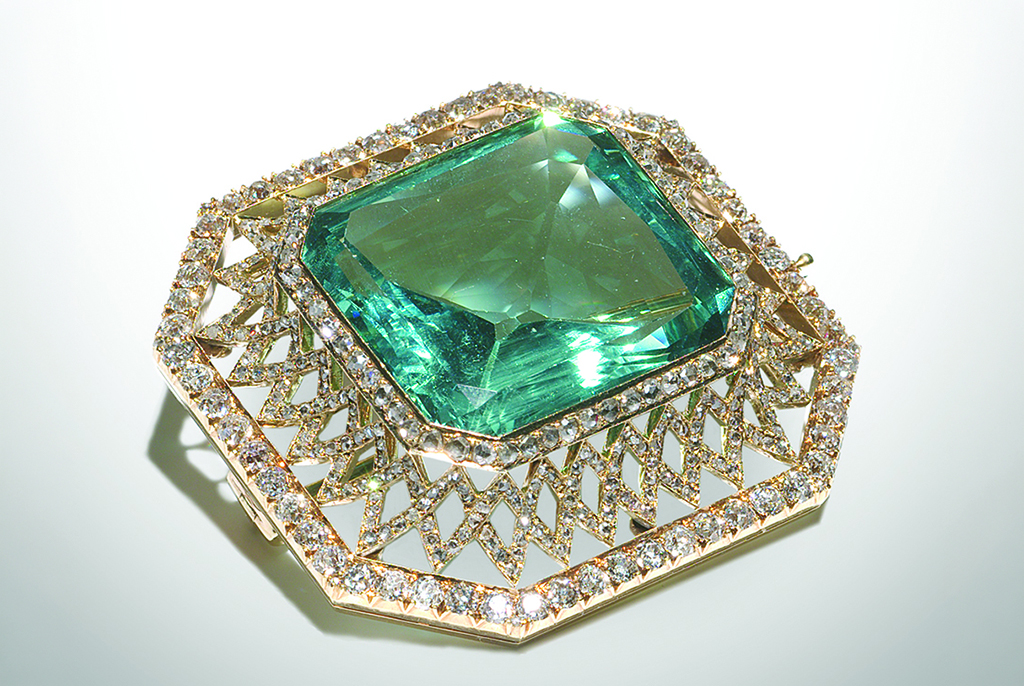
‘Fabergé and the Russian Jewellers’ exhibition
Raising funds for The Samaritans, this was one of Wartski’s most sumptuous exhibitions, focusing specifically on the jewellery of Carl Fabergé and his Russian contemporaries. Among the treasures on display was a Siberian amethyst of exceptional colour which had previously belonged to Catherine the Great and was later remounted by Fabergé. It also included a sublime aquamarine and diamond brooch purchased by Tsar Nicholas II from Fabergé, presented as an engagement gift to Princess Alix of Hesse, later Tsarina Alexandra Feodorovna.”
Wartski makes the wedding rings for The Prince of Wales and Duchess of Cornwall
The rings were fashioned from Welsh gold for the marriage of His Royal Highness Prince Charles, The Prince of Wales to Camilla Parker-Bowles on 9th April, 2005.

Nicholas Snowman (1944-2023) becomes Chairman of Wartski
Nicholas, son of Kenneth and Sallie Snowman, takes over as chairman of Wartski following the death of his father.
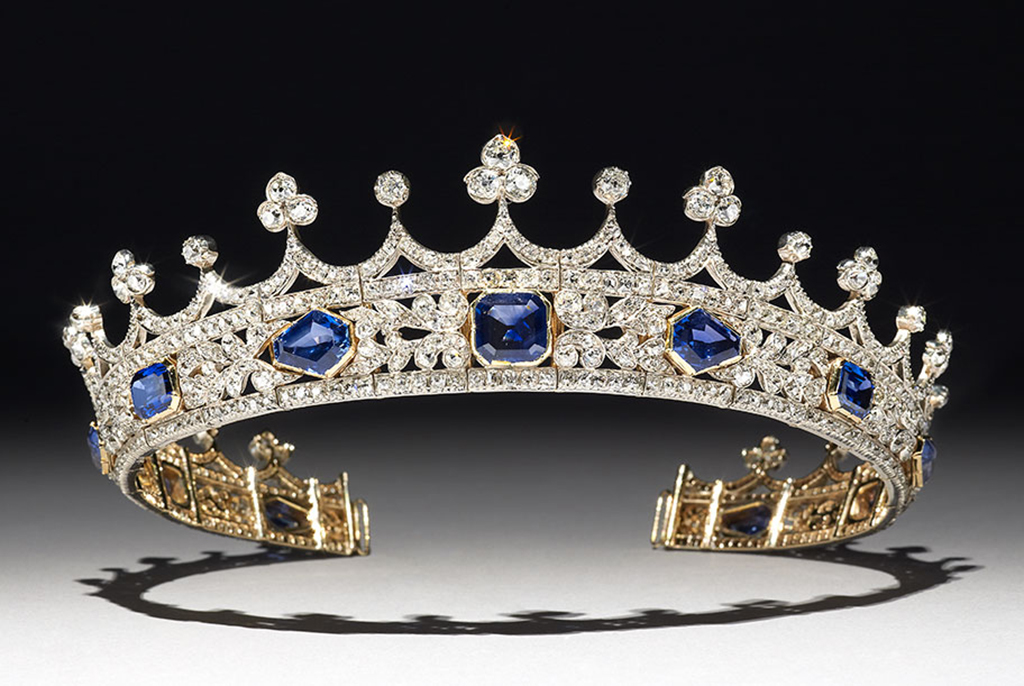
‘Tiaras’ exhibition at Victoria and Albert Museum
Following the success of ‘100 Tiaras’, the Victoria and Albert Museum approached Wartski to curate a dedicated exhibition on Tiaras. The original exhibition was extended to a total of two hundred head ornaments, containing twenty with British royal provenances. Dame Edna Everage also generously lent her one and only tiara to the show.
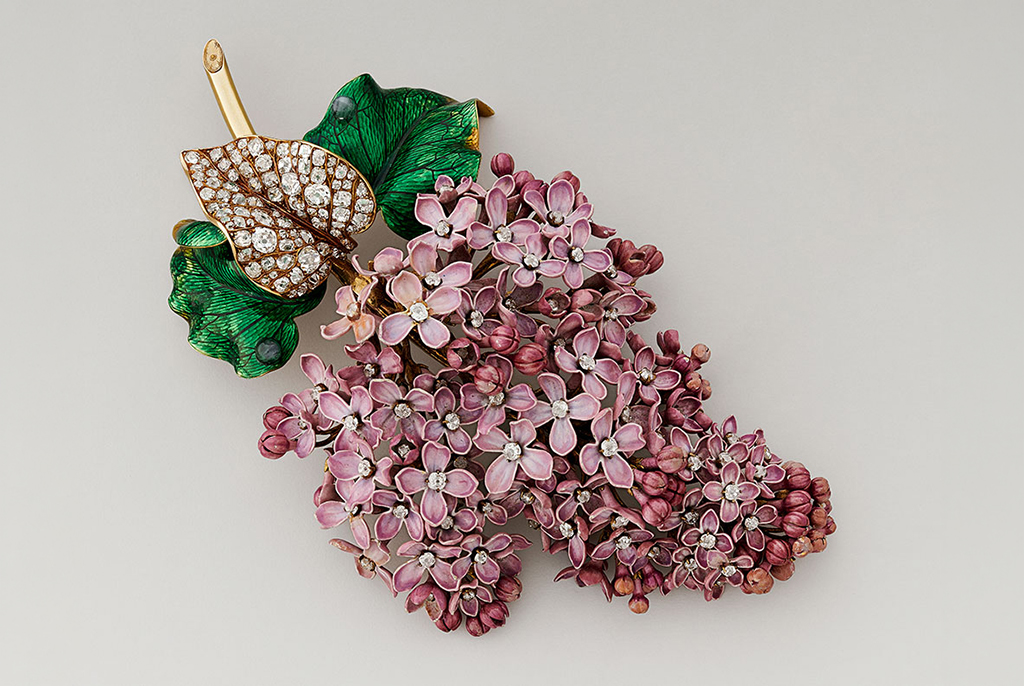
‘French Jewellery of the Nineteenth Century’ exhibition
Curated to mark the publication of the English translation of Henri Vever’s ‘La Bijouterie Française au XIXème Siècle’, this exhibition brought together masterpieces of French jewellery to illustrate the extraordinary story of goldsmithing in France during the nineteenth century. It included an astounding ruby and diamond foliate spray that had previous belonged to Empress Josephine, as well as a monumental diamond study of a rose by Mellerio that had belonged to Princess Mathilde.
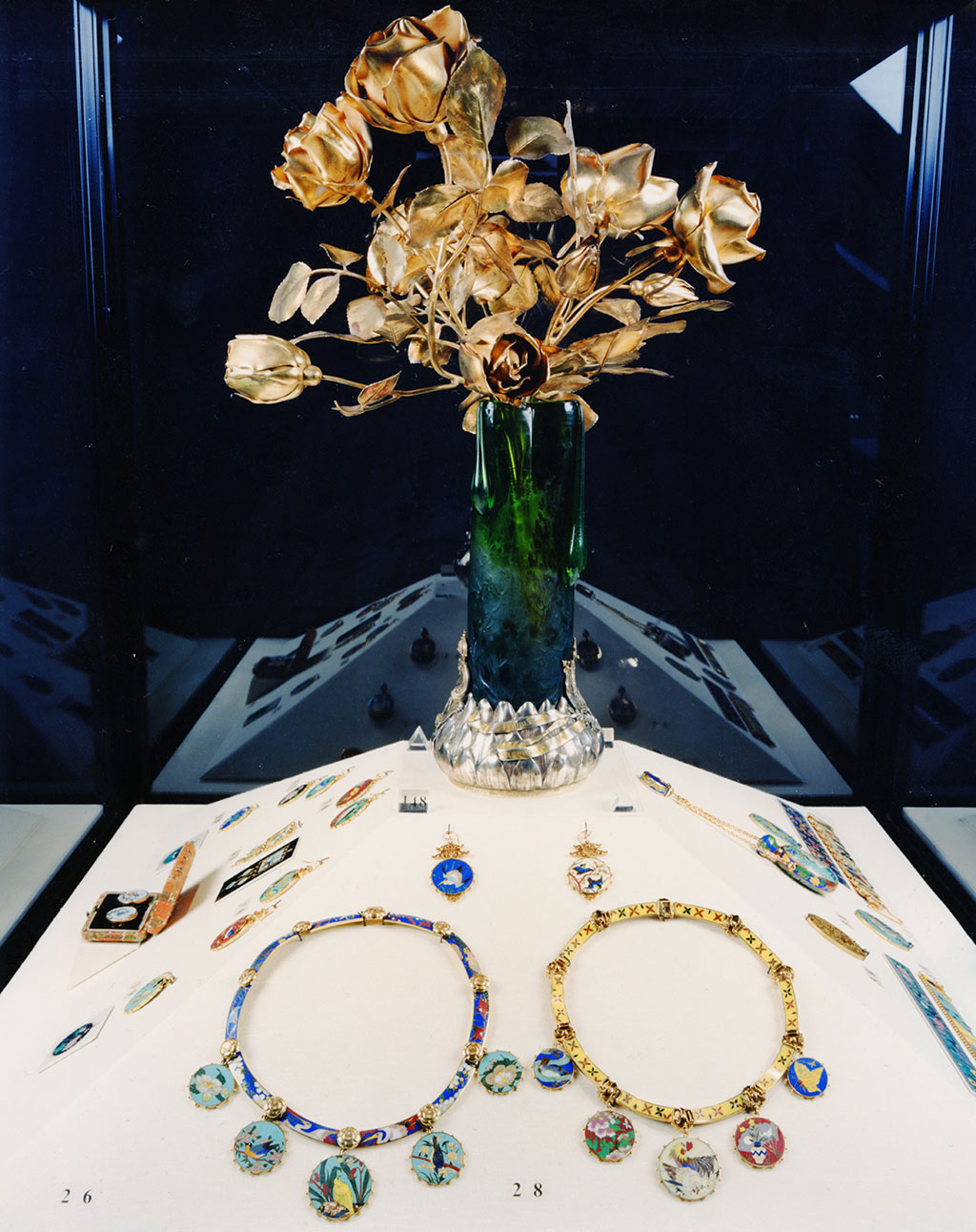
‘Falize: A Dynasty of Jewellers’ exhibition
The first exhibition ever curated on the illustrious French firm of Falize, it coincided with the publication of the seminal monograph, ‘Falize: A Dynasty of Jewellers.’ Loans from across the world converged in London, bringing together a dizzying array of previously unseen enamelled jewels and objects with a newly discovered archive and sublime watercolour designs. Curators and collectors travelled from every corner to visit this once in a lifetime exhibition.
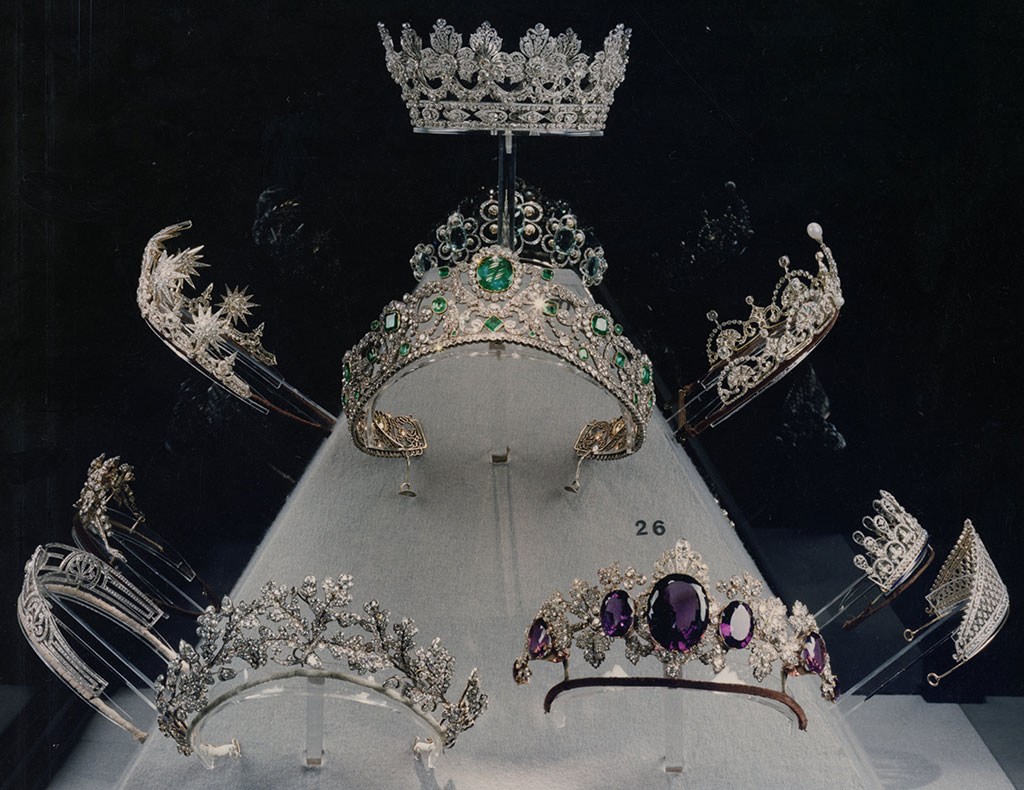
‘One Hundred Tiaras’ exhibition
Inspired by the 1911 display of Cartier tiaras organised to commemorate the coronation of King George V and Queen Mary, this dazzling exhibition brought together one hundred and five tiaras, eleven of which had British royal provenances. Among the seemingly endless number of masterpieces was a remarkable sapphire and diamond coronet designed by Prince Albert for Queen Victoria in 1840, as well as an emerald and diamond diadem from the French Crown Jewels.
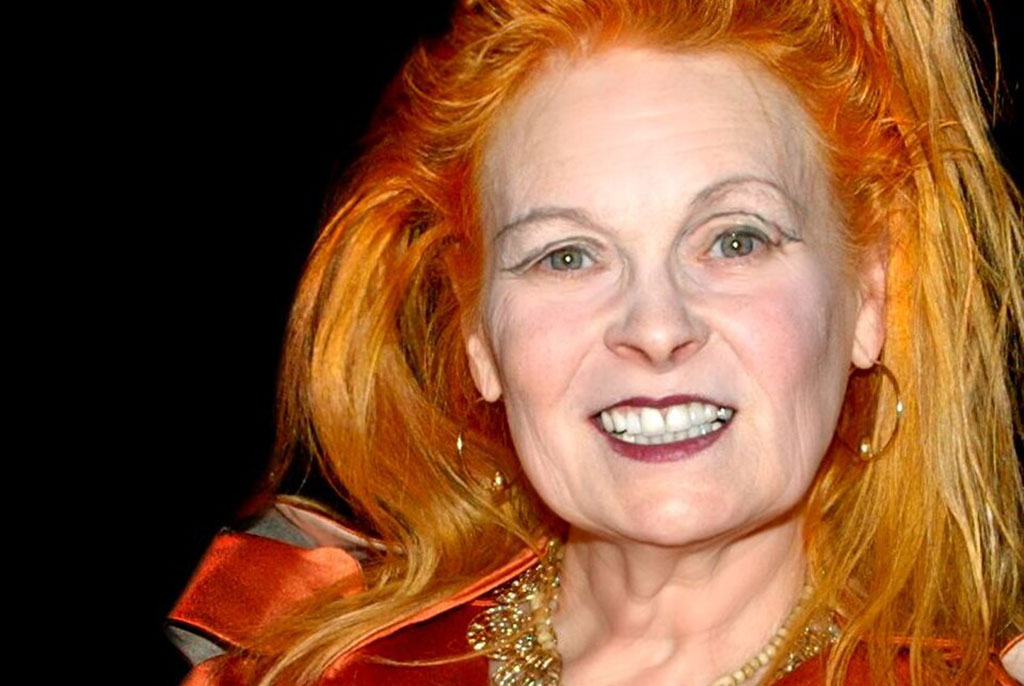
Vivienne Westwood visits Wartski
The queen of punk and British fashion first visited Wartski in 1996, when she acquired a beautiful tiara decorated with coral acorns. In inimitable style, she was often seen wearing it on her bicycle, negating any need for a helmet.

Barbra Streisand and Wartski
The legendary film star, famous for her collections of art and antiques, was not immune to the charm of Fabergé. She acquired an exceptionally rare diamond necklace by the Russian court jeweller.
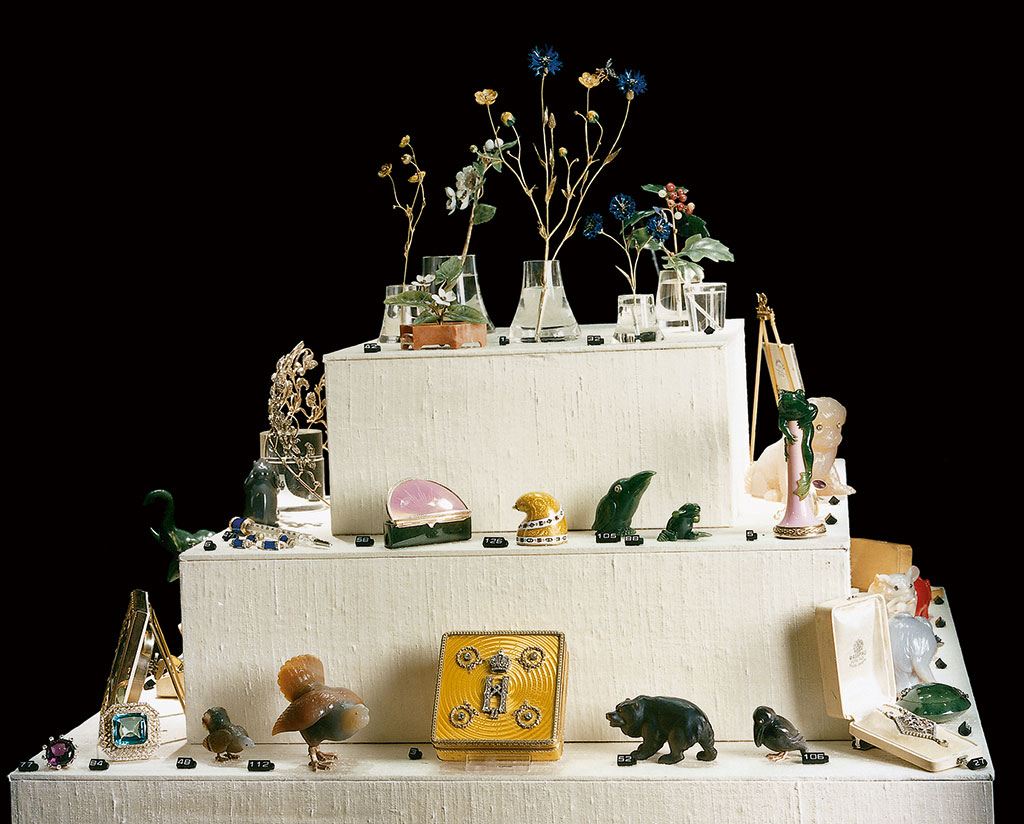
‘Fabergé from Private Collections’ exhibition
Organised to raise funds for The Samaritans, the exhibition was opened on 2nd December by Her Royal Highness, The Duchess of Kent. It included loans from Her Majesty Queen Elizabeth, The Queen Mother as well as The Prince of Wales, The Duke and Duchess of Gloucester and Prince and Princess Michael of Kent. Prince Rainer III generously lent The Serpent Clock Egg.
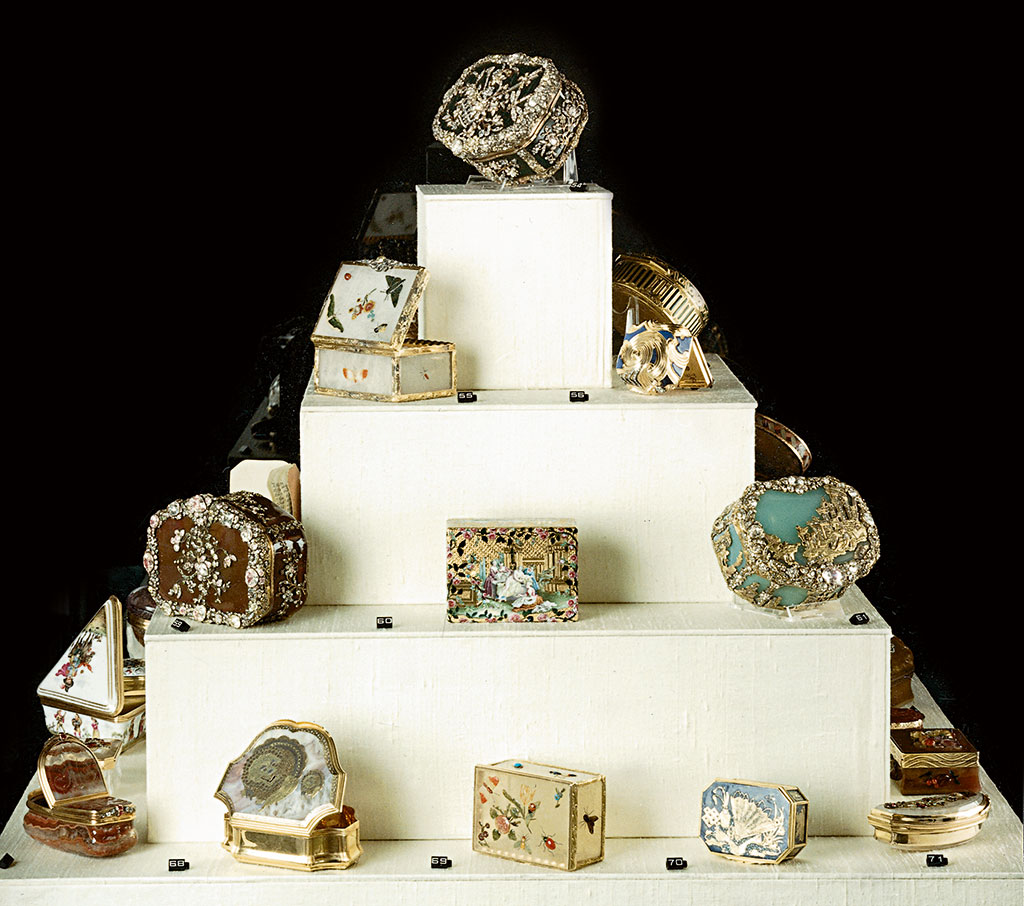
‘A Loan Exhibition of Eighteenth-Century Gold Boxes’
One of the most astonishing exhibitions ever curated by Wartski, it brought together 125 of the finest gold boxes ever made during the eighteenth century, with masterpieces from European royal collections, the Gilbert Collection, the Victoria and Albert Museum, the Rijksmuseum and Baron Hans Heinrich Thyssen-Bornesmisza.
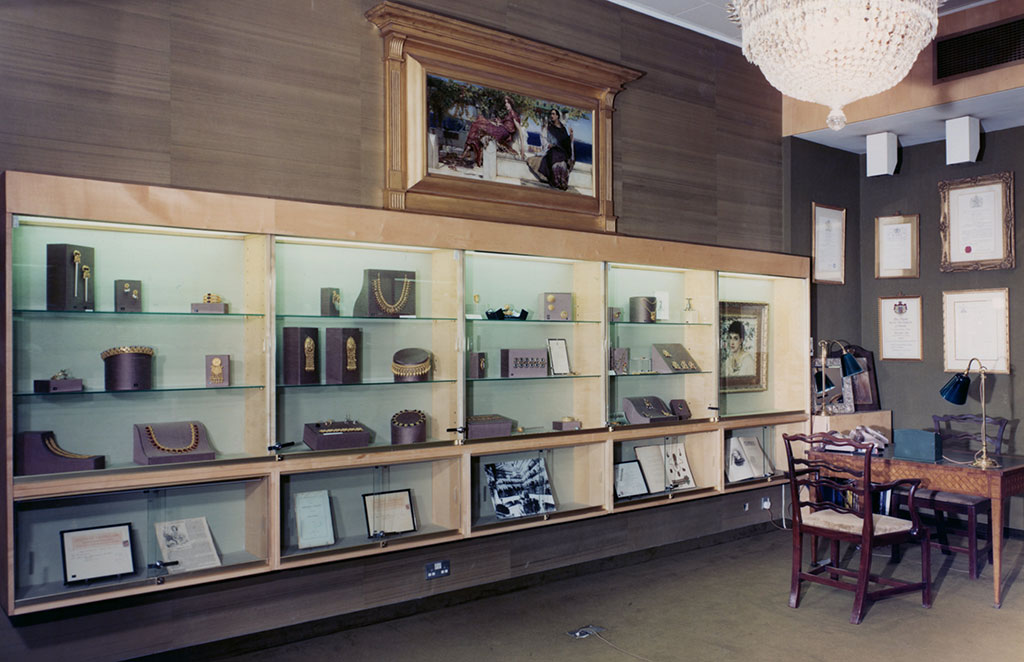
‘Artists’ Jewellery’ exhibition at Wartski
Following on from ‘Castellani and Giuliano’, this pioneering exhibition explored the close associations between goldsmithing and jewellery design with some of the most famous artists working in the nineteenth and early twentieth centuries. The exhibition coincided with the publication of ‘Artists’ Jewellery – Pre-Raphaelite to Arts and Crafts’ and included jewels designed and commissioned by Edward Burne-Jones, Dante Gabriel-Rossetti, John Everett Millais and William Holman-Hunt.
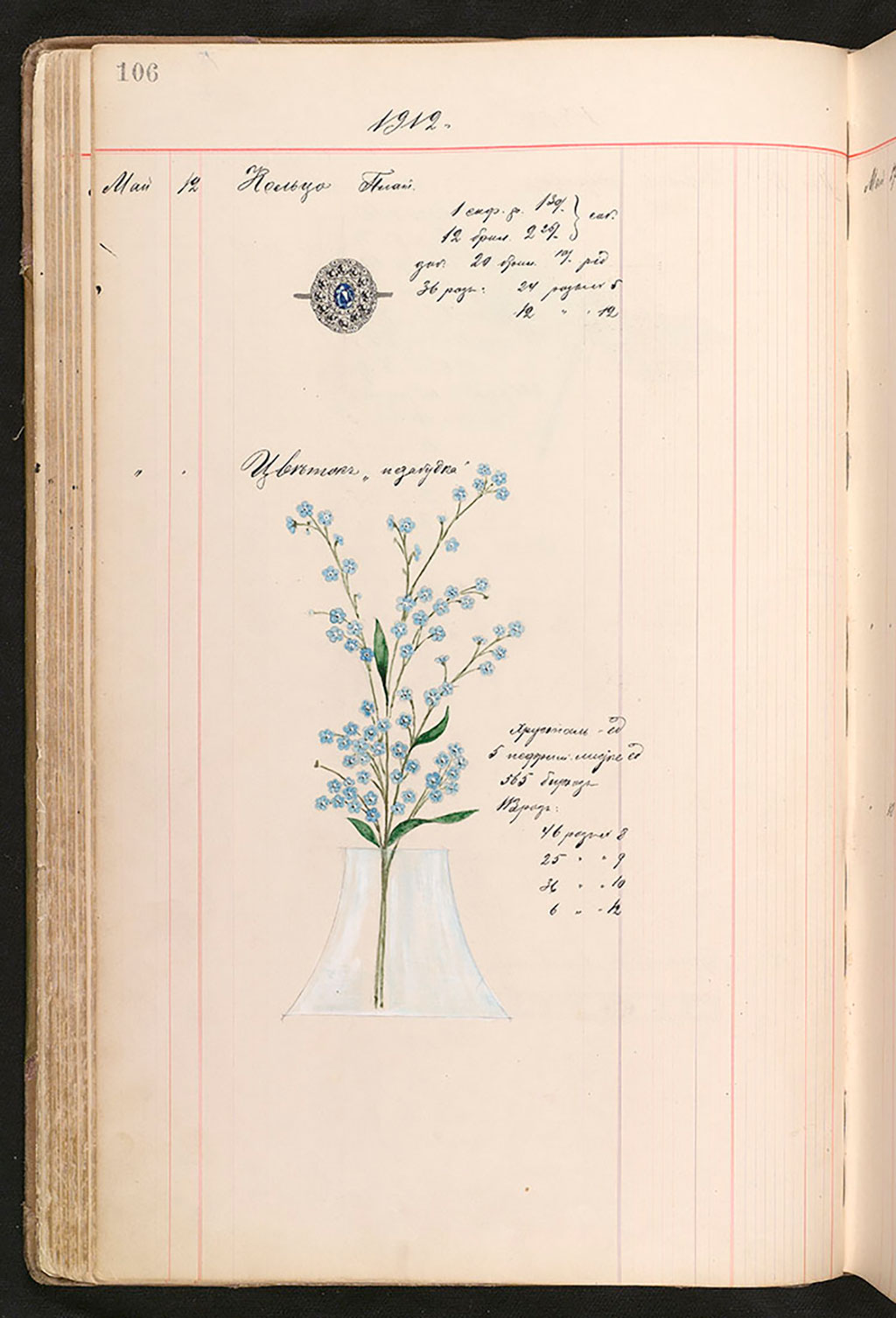
Acquisition of the Holmström archive
Arguably the most precious items that Wartski owns, in 1986 Kenneth Snowman acquired three breathtakingly beautiful leather-bound volumes of watercolour designs from the studio of Carl Fabergé’s chief jewellers, August and Albert Holmström. They record in stunning detail thousands of jewels created by the firm and are the heart of Wartski’s extensive historical archive. Kenneth would commemorate this important acquisition with his book ‘Fabergé: Lost and Found’ published in 1993.
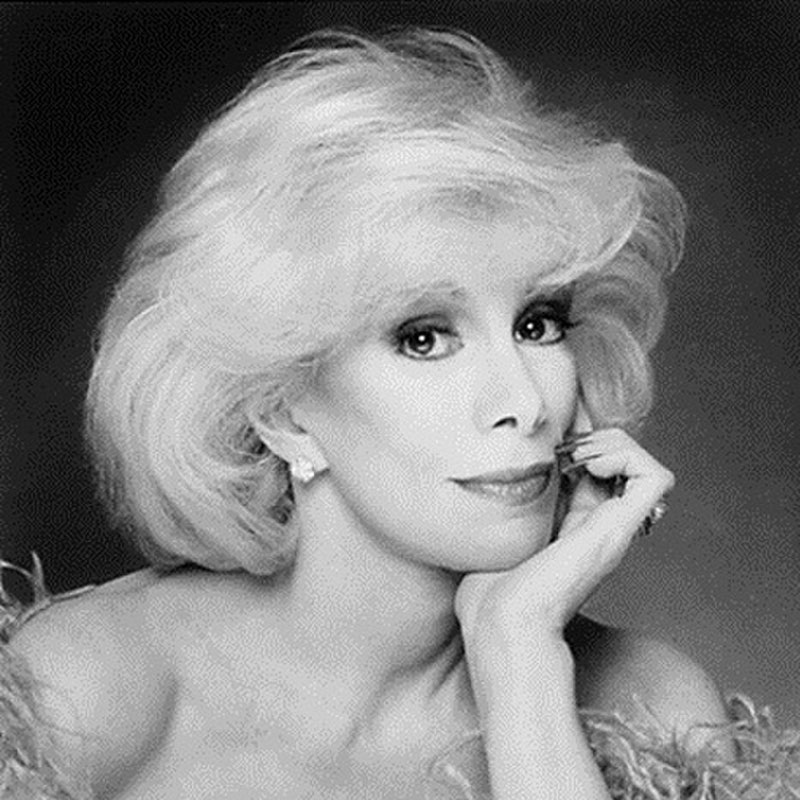
Joan Rivers’ first visit to Wartski
The comedienne became a regular visitor to the shop in Grafton Street, building a significant collection of jewellery and Fabergé. Among the treasures she acquired was a brooch mounted with a large red tourmaline encircled by a diamond set serpent, which had been given to the Hon. Mrs George Keppel by King Edward VII.
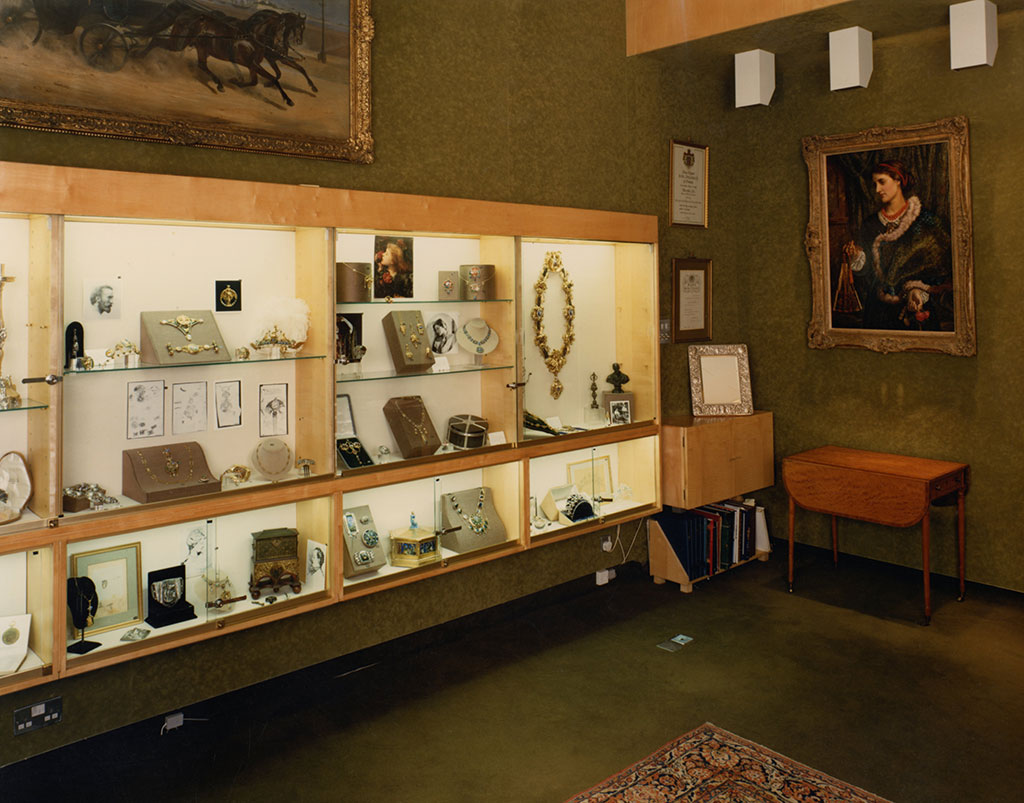
‘Castellani and Giuliano’ exhibition at Wartski
The first exhibition devoted to the firms of Castellani and Giuliano, two of the most famous jewellery houses working in the nineteenth century. Celebrated for their exceptional jewels in the archaeological and Renaissance tastes, the exhibition coincided with the publication of ‘Castellani and Giuliano: Revivalist Jewellers of the Nineteenth Century.’ Among the loans were necklaces lent by Queen Elizabeth II and Princess Margaret.
Wartski is granted the warrant of The Prince of Wales
Wartski were honoured to be granted the warrant in 1980 as jewellers to The Prince of Wales.
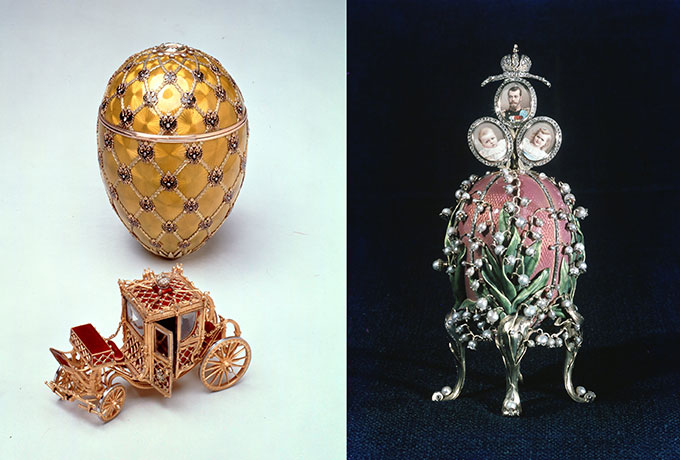
‘The Coronation Coach Egg’ and ‘Lily of the Valley Egg’ are sold
The Imperial Easter Eggs made by Carl Fabergé for Tsar Nicholas II to present to his wife Tsarina Alexandra Feodorovna on Easter day in 1897 and 1898 are sold by Wartski to Malcolm Forbes.
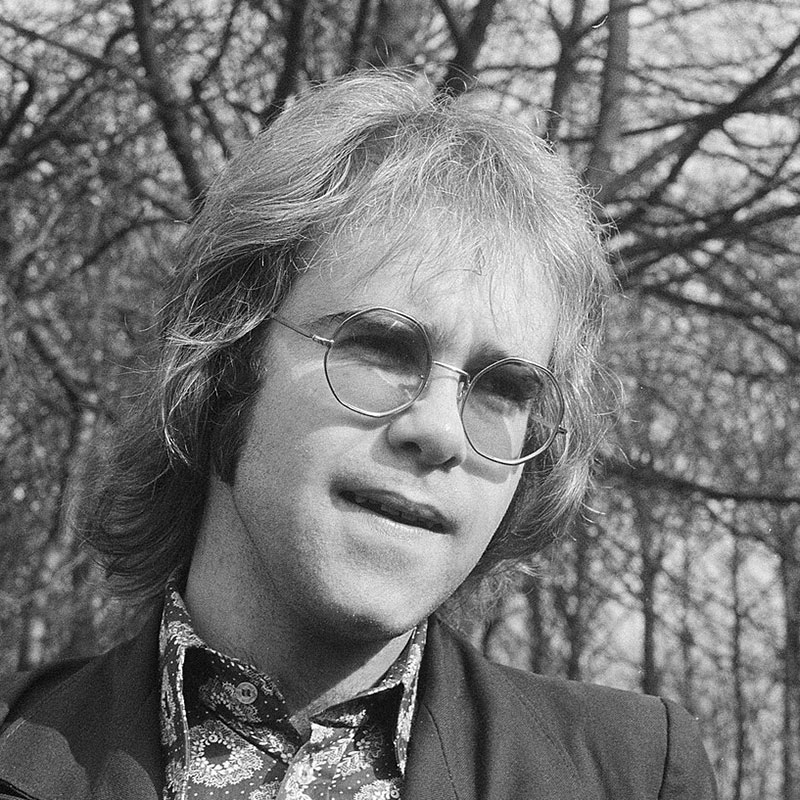
Elton John visits Wartski
During his visit in March 1978, Elton John acquires an Imperial brooch by Carl Fabergé with a sapphire mounted Romanov crown that was originally a gift from Dowager Tsarina Marie Feodorovna.
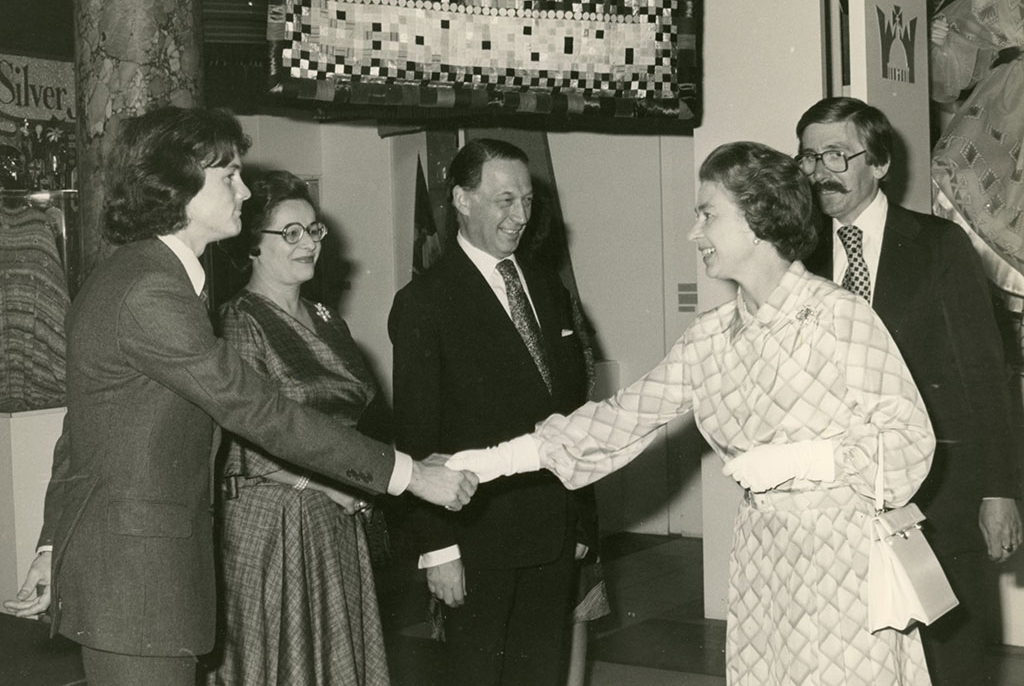
'Fabergé: 1846-1920’ exhibition at The Victoria and Albert Museum
Conceived by Sir Roy Strong and Kenneth Snowman ‘over a glass of whisky during the interval’ at the Royal Opera House, it was one of the largest exhibitions ever assembled on the life and work of Carl Fabergé, organised to celebrate the Silver Jubilee of Queen Elizabeth II. It comprised of more than four hundred and twenty exhibits and remains one of the largest ever curated.
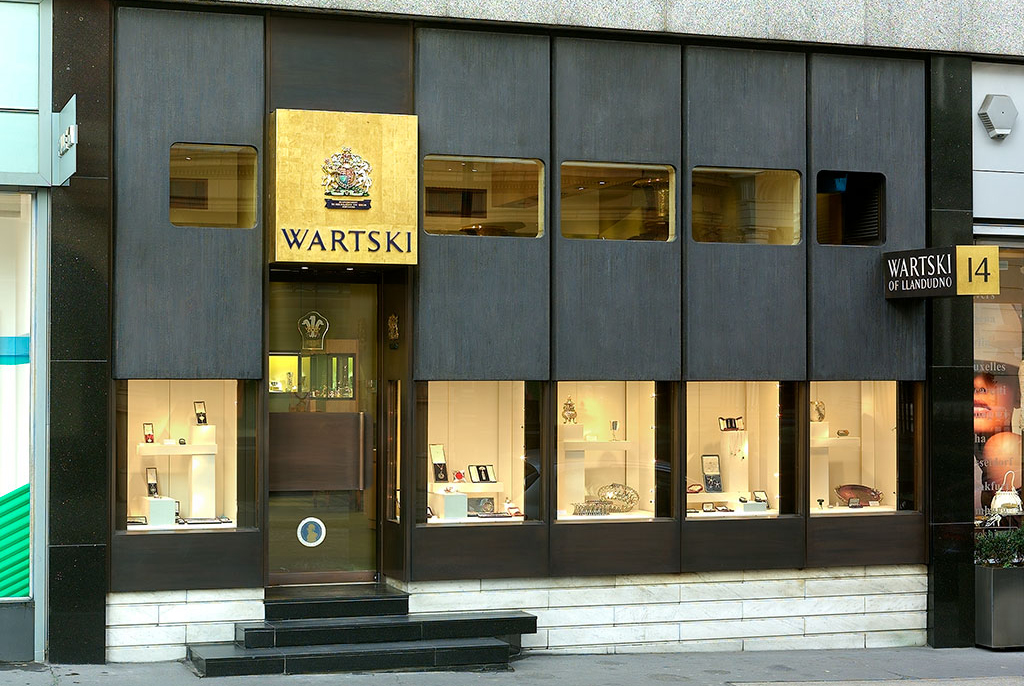
Wartski moves to 14 Grafton Street
Wartski move to new premises at 14 Grafton Street, just off New Bond Street. The modernist shop front was designed by John Buckland. Considered an important and rare example of its kind, it was given a grade II listing in 2012.
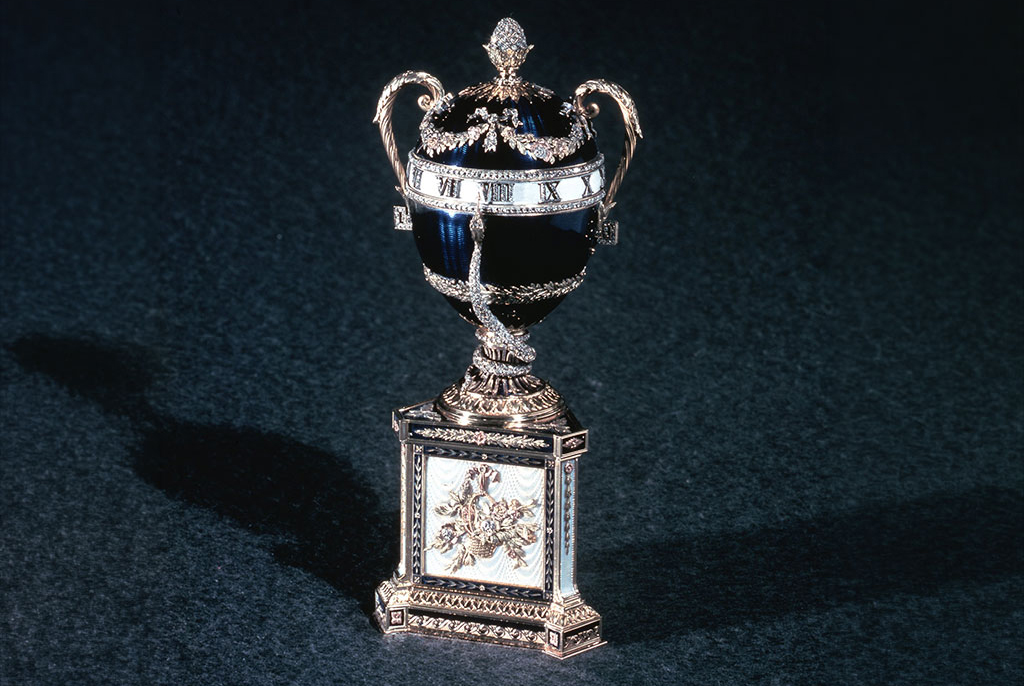
The 'Serpent Clock Egg’ is sold
The Imperial Easter Egg made by Carl Fabergé for Tsar Nicolas II to present to his mother Dowager Tsarina Marie Feodorovna on Easter day in 1895 is sold by Wartski to Stavros Niarchos.
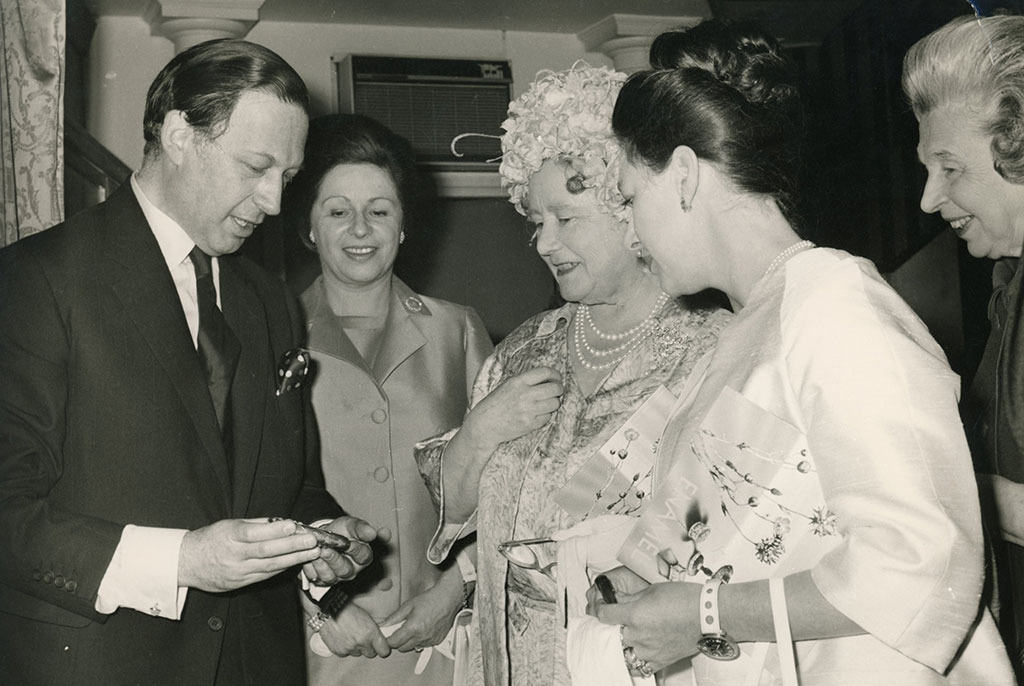
‘A Thousand Years of Enamel’ exhibition at Wartski
To mark the sixtieth anniversary of the opening of its first shop in London, Wartski organise a landmark exhibition exploring the art of enamelling, covering one thousand years. Opened by Her Royal Highness, The Princess Alexandra, the accompanying catalogue contained essays by prominent historians and curators, including Sir Francis Watson, Hugh Tait, Claude Blair and Graham Hughes.
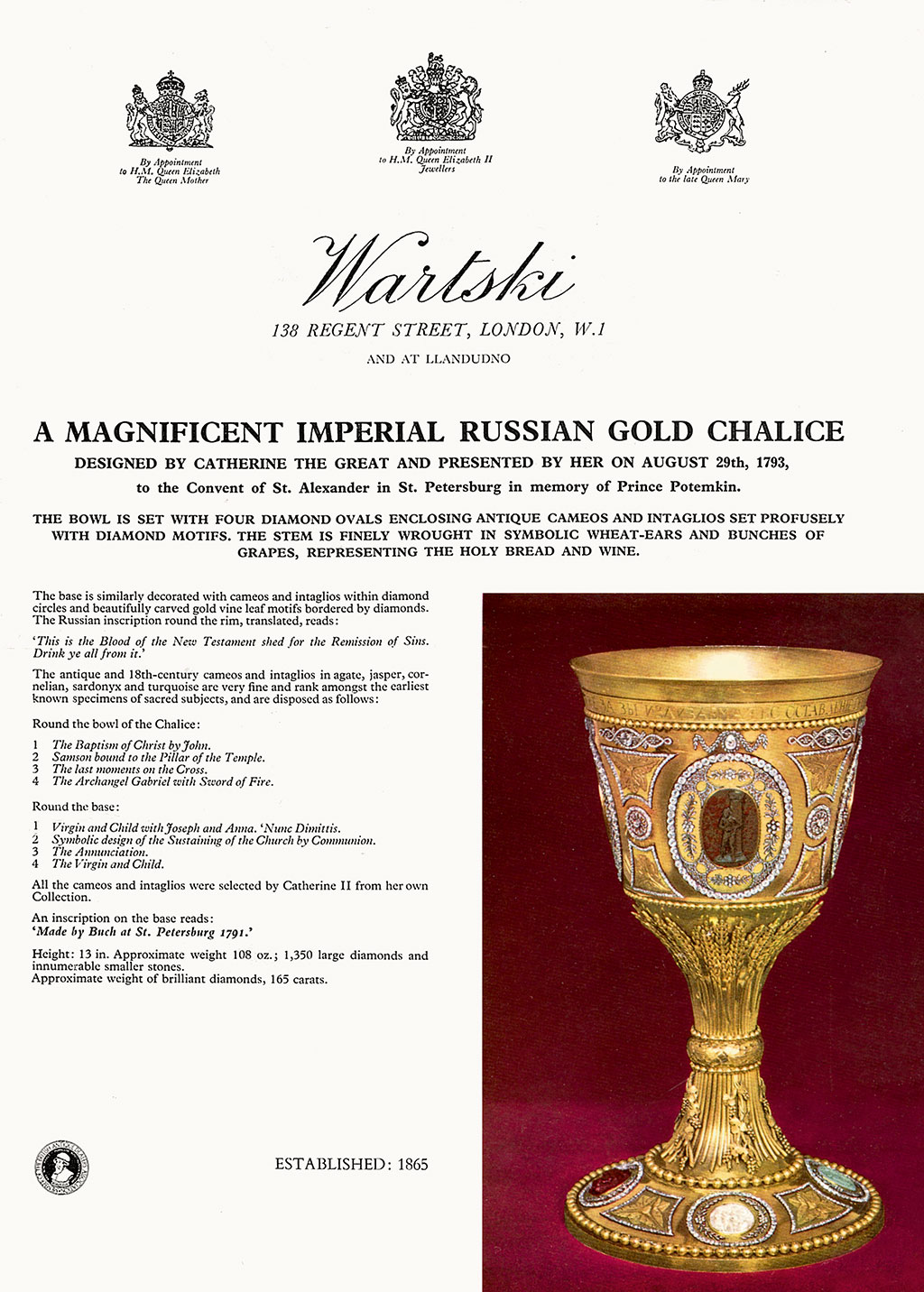
Marjorie Merriweather Post acquires the Catherine the Great chalice
The colossal solid gold chalice, which was commissioned by Catherine the Great from the goldsmith Iver Winfeldt Buch in 1790, is acquired by Marjorie Merriweather Post from Wartski. It remains one of the great treasures of Hillwood House Museum to this day.
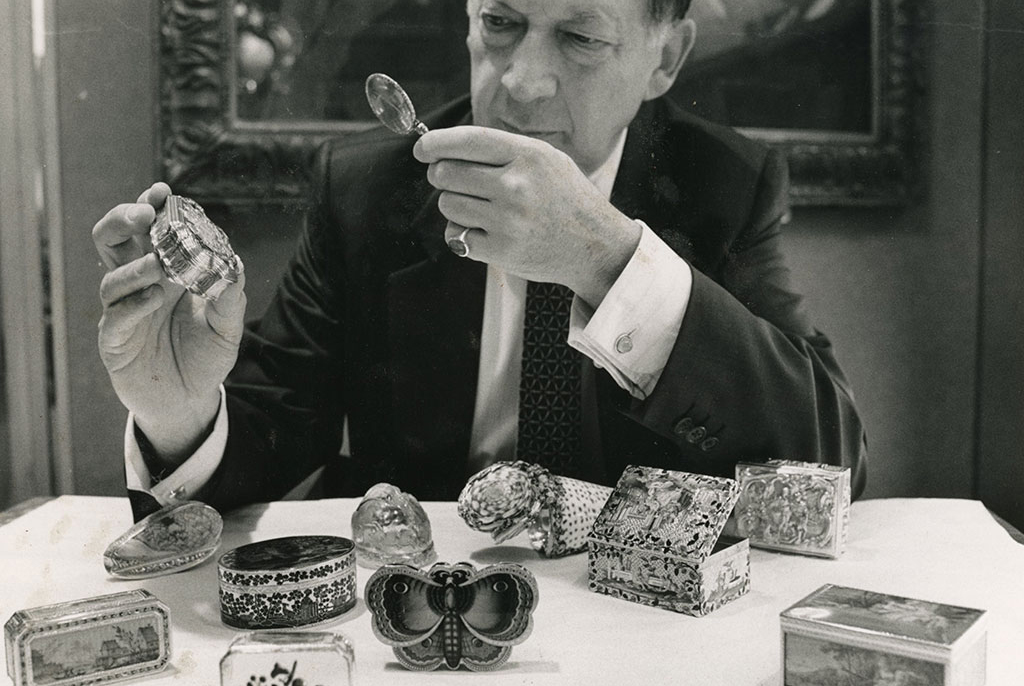
‘Eighteenth Century Gold Boxes’ is published
Kenneth Snowman’s seminal study of gold boxes from the eighteenth century is published. He would receive letters of congratulation from Her Majesty Queen Elizabeth, The Queen Mother, Jacqueline Kennedy and Frank Sinatra.
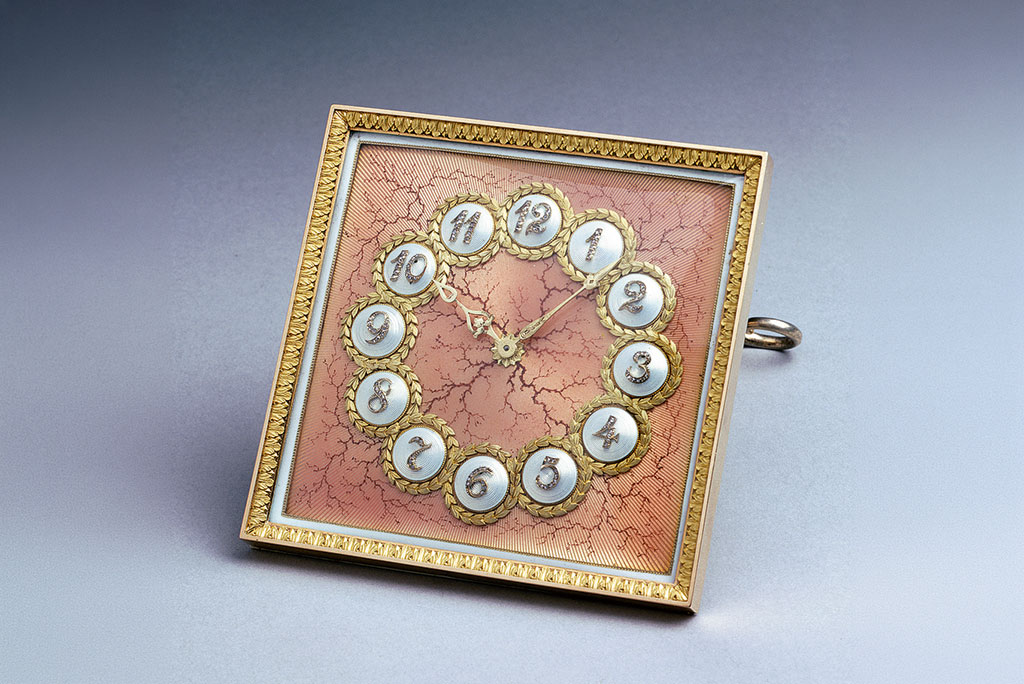
Yul Brynner’s visits Wartski
During his visit on 11th August 1966, Brynner selected a lavishly enamelled gold table clock by Carl Fabergé, decorated with pale salmon pink guilloché enamel with intricate painted enamels which replicate the branch like patterns of a dendritic agate.
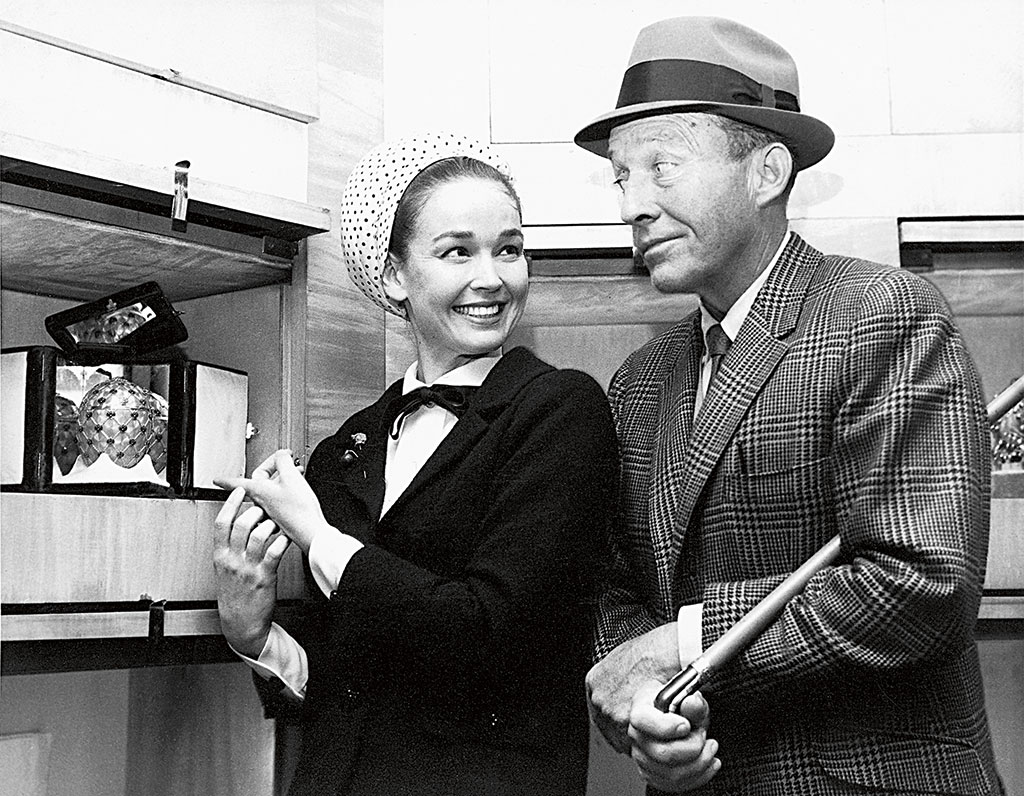
Bing Crosby’s first visit to Wartski
Like Sinatra, Crosby would also build a sizable collection of works by Carl Fabergé, including many pieces which he acquired from Wartski, such as a nephrite bellpush, a scarlet red enamelled scent flacon and two enamelled buckles in powder blue and lavender.
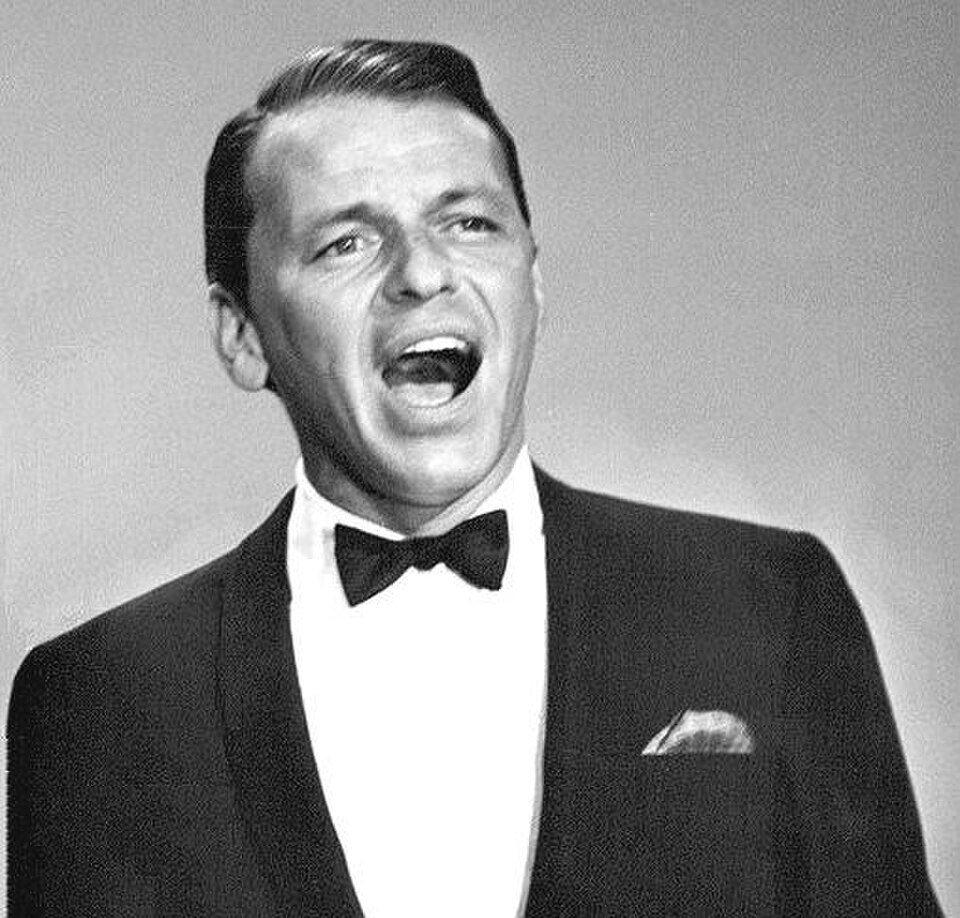
Frank Sinatra’s first visit to Wartski
Sinatra would acquire many significant works by Carl Fabergé. The most important was The Mansurov Presentation Box, an intricate gold box mounted with diamonds centred with the portrait of Tsar Nicholas II. It was originally presented by Tsar Nicholas II to Secretary of State Nickola Mansurov in 1909.
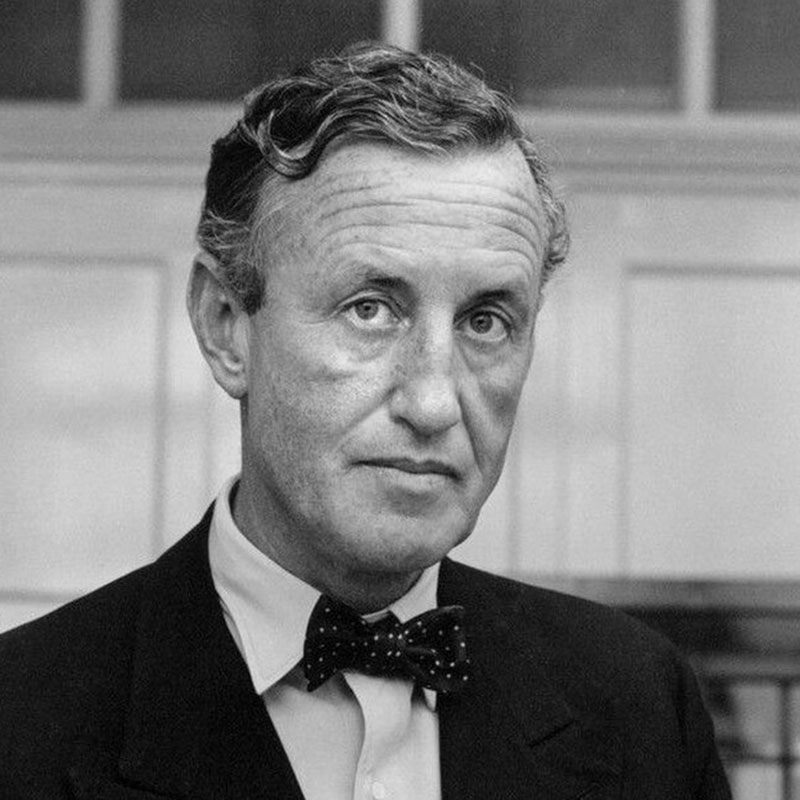
Ian Fleming visits Wartski
Fleming’s visit proved a fruitful source of inspiration for the next book to feature his legendary protagonist, James Bond. The story of ‘The Property of a Lady’ (1967) would not only feature a miniature globe by Fabergé, but also our former chairman and acclaimed expert Kenneth Snowman.
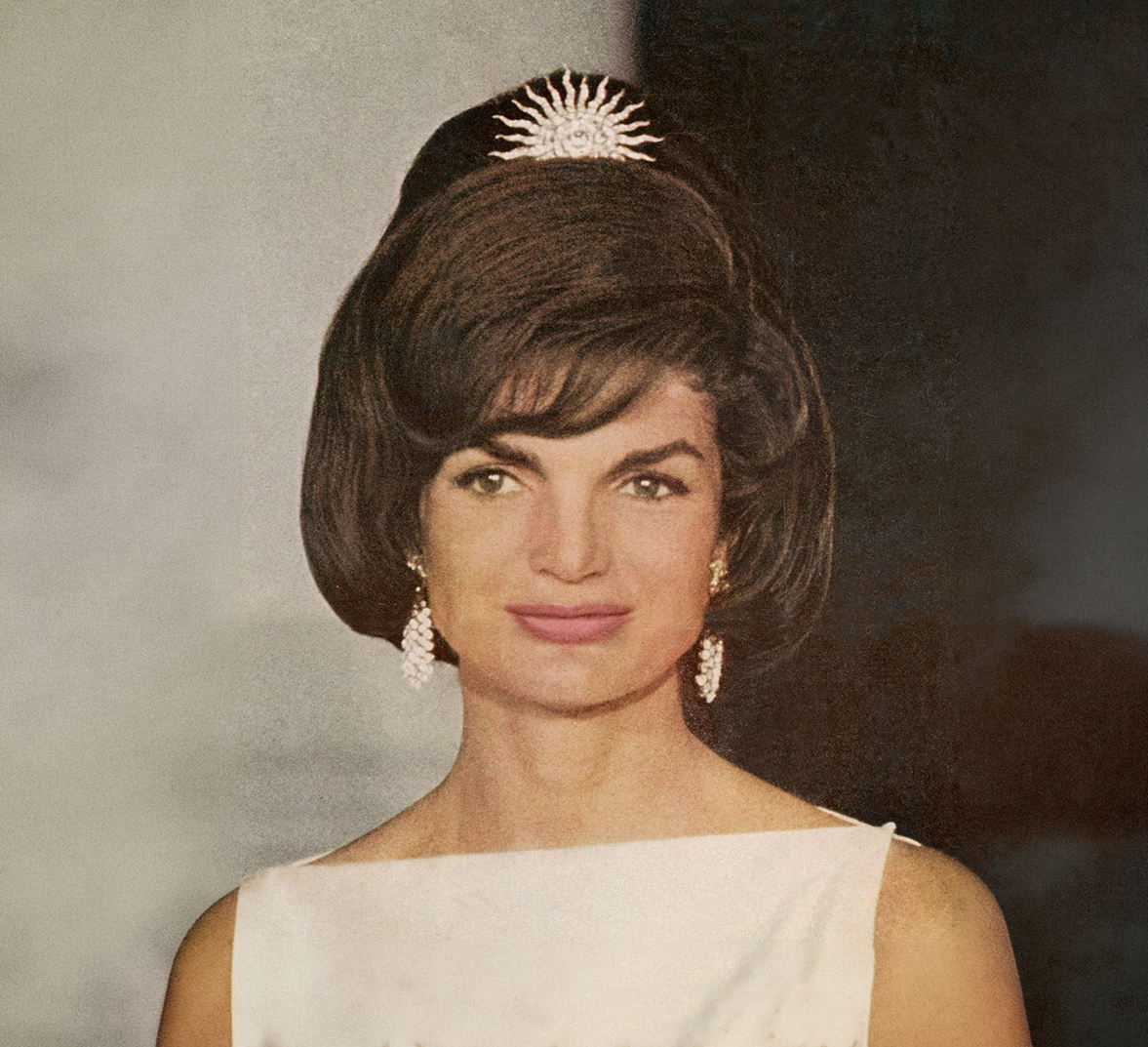
John F Kennedy visits Wartski
On his visit on 20th July 1962, the 35th President of the United States purchased a colossal diamond brooch in the form of a sunburst. It was presented to his wife Jacqueline Kennedy, who wore it most famously in her hair.
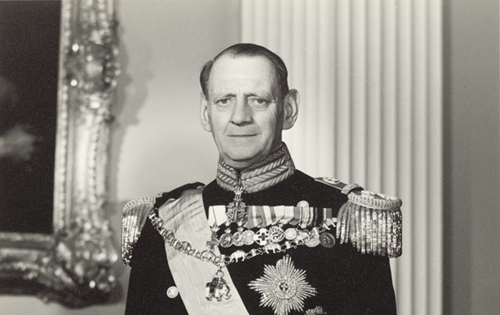
Wartski is granted the warrant of King Frederick IX of Denmark
Wartski is granted the warrant of Her Majesty Queen Elizabeth II
Wartski were honoured to be granted the warrant in 1955 as jewellers to Her Majesty Queen Elizabeth.
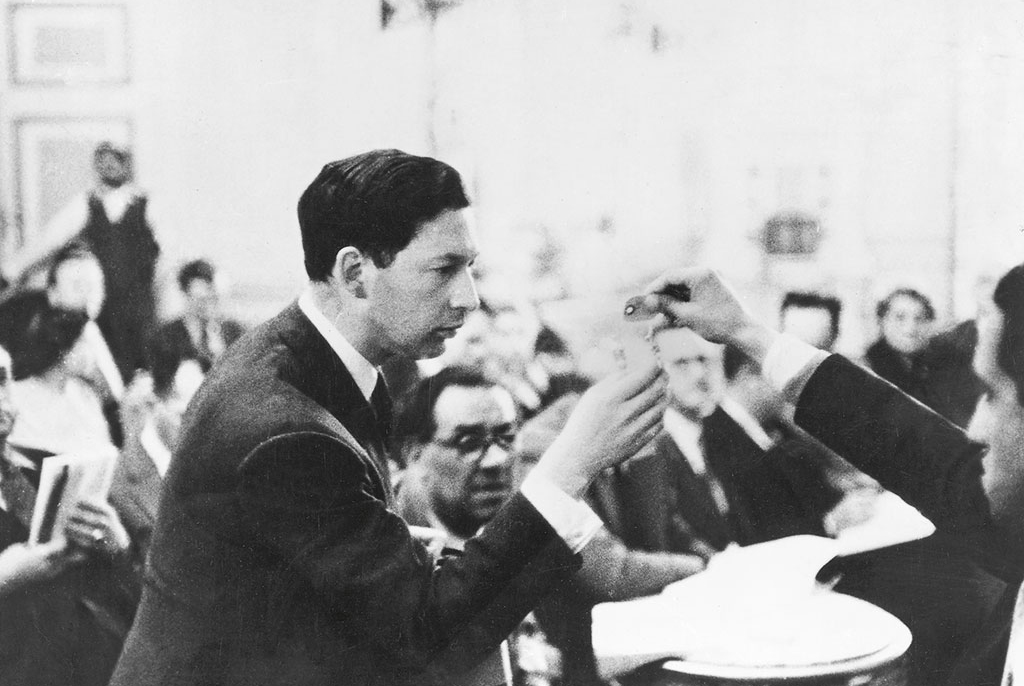
The sale of the collection of King Farouk of Egypt
Harry Wartski and Kenneth Snowman travel to Cairo to buy pieces from the extraordinary collection of King Farouk, which included masterpieces of eighteenth century goldsmithing and Fabergé.
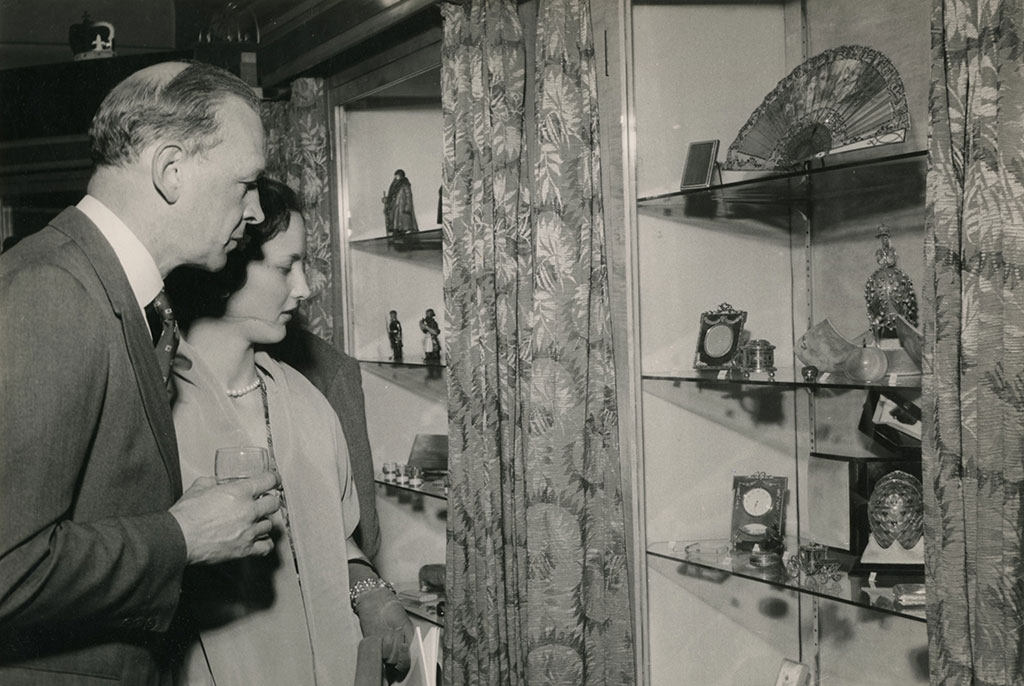
‘The Art of Carl Fabergé’ exhibition
To celebrate the coronation of Queen Elizabeth II and mark the publication of Kenneth’s Snowman’s seminal history of the life and work of Carl Fabergé, this historic exhibition was hosted in the Regent Street shop. It included 365 exhibits, 116 from the Royal collection and 17 from the personal collection of Queen Elizabeth, the Queen Mother. Seven Imperial Easter eggs and the largest ever display of flowers studies were amongst them.
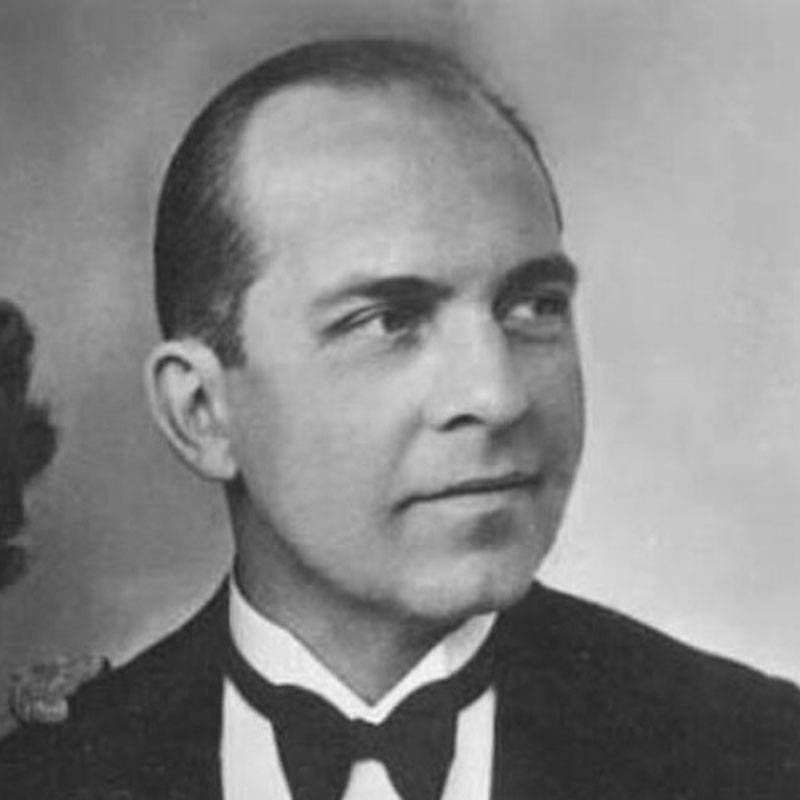
Wartski is granted the Warrant of Appointment of King Paul of the Hellenes.
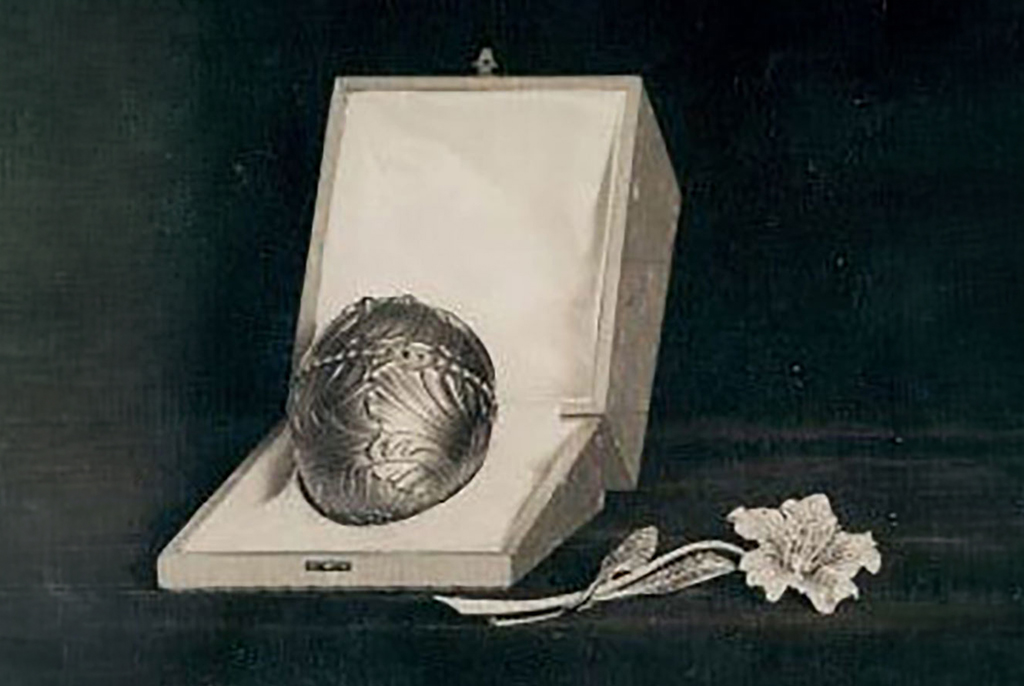
The ‘Necessaire Egg’ is sold
The last sighting of the now lost Necessaire Egg, which was made by Carl Fabergé for Tsar Alexander III to present to Tsarina Marie Feodorovna in 1889. The surviving ledger entry tantalisingly records it was sold to ‘A Stranger.’
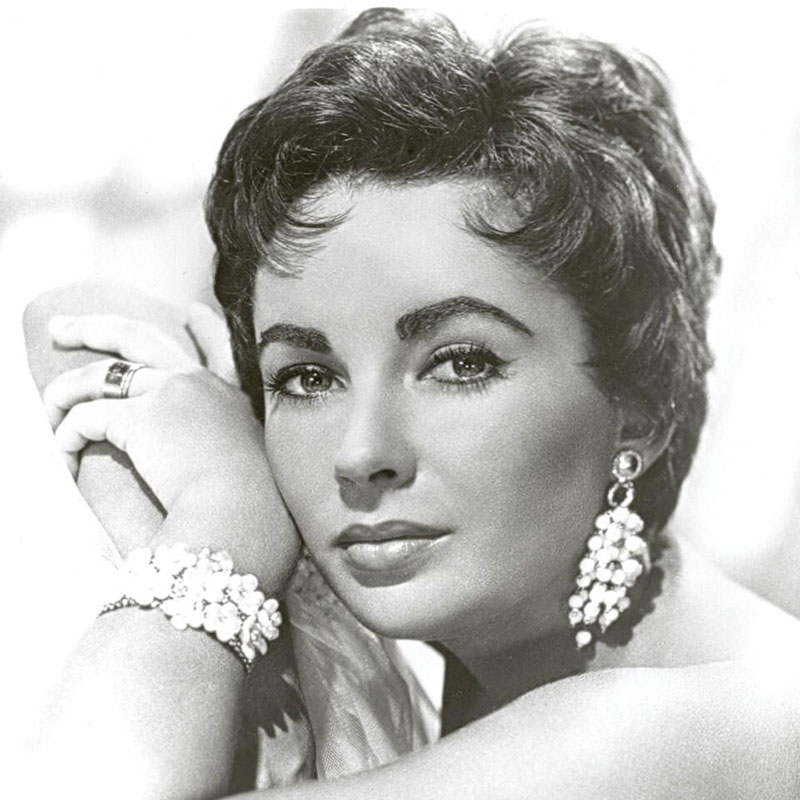
Elizabeth Taylor visits Wartski
The legendary Hollywood star and famous collector of jewellery became a customer after being introduced to Wartski by her second husband Michael Wilding.
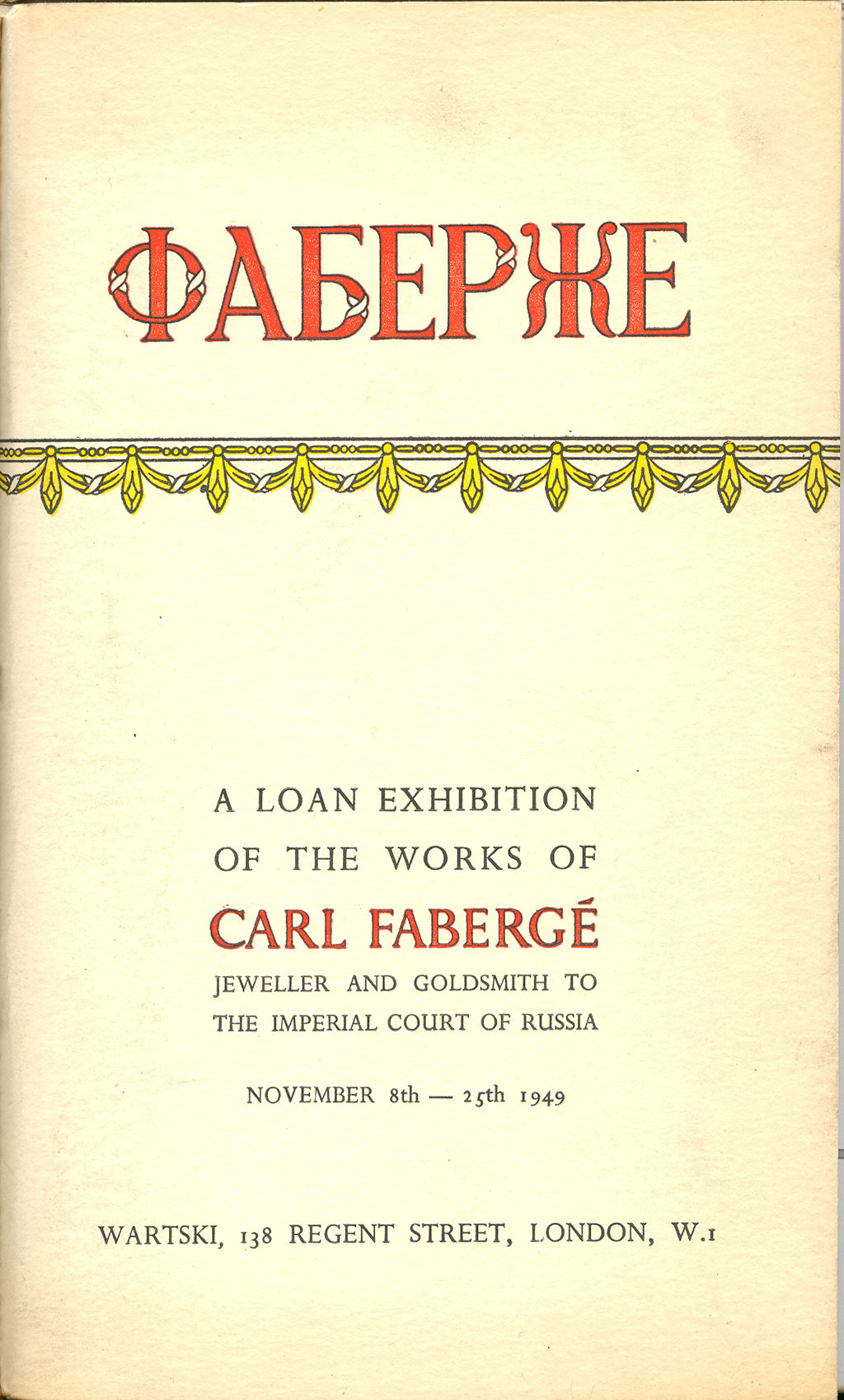
A Loan Exhibition of The Works of Carl Fabergé: Jeweller and Goldsmith to the Imperial Court of Russia
Curated to coincide with the publication of ‘Peter Carl Fabergé: Goldsmith and Jeweller to the Russian Imperial Court’ written by the former manager of Fabergé’s London branch, Henry Charles Bainbridge. It was the first exhibition dedicated to the work of the firm and included loans from His Majesty King George VI. His consort Queen Elizabeth was among the illustrious visitors, as well as Queen Ingrid of Denmark, Princess Ghislaine de Polignac, the Maharajah of Baroda, the fifth Duke of Westminster, Countess Mountbatten, Fulco, Duke of Verdura, Prince Felix Youssoupoff, Lady Diana Cooper and Sir Sacheverell Sitwell.
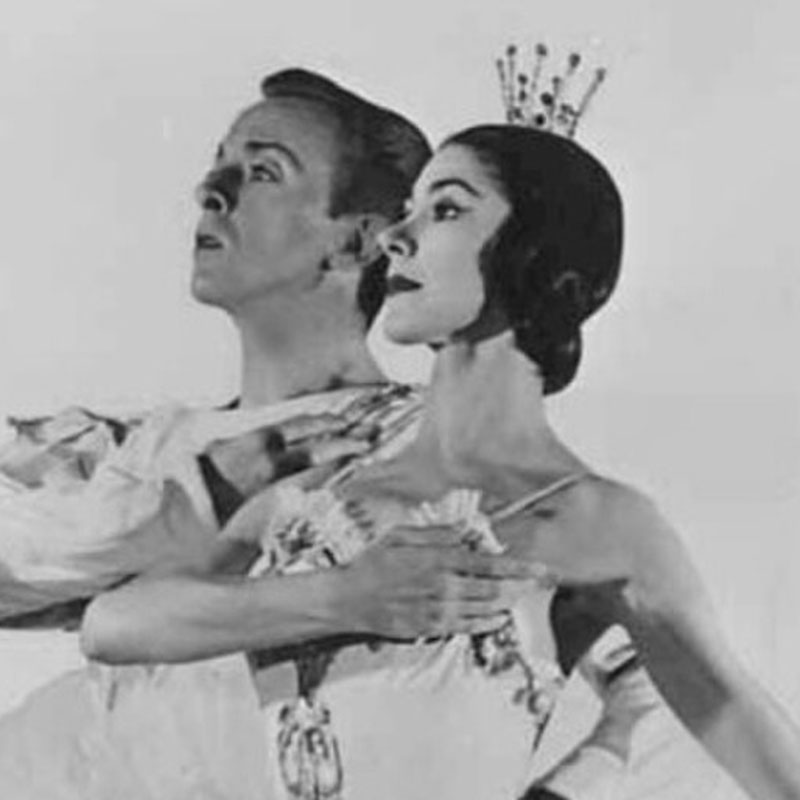
Margot Fonteyn visits Wartski
The prima ballerina visits Wartski the week after she danced Swan Lake.
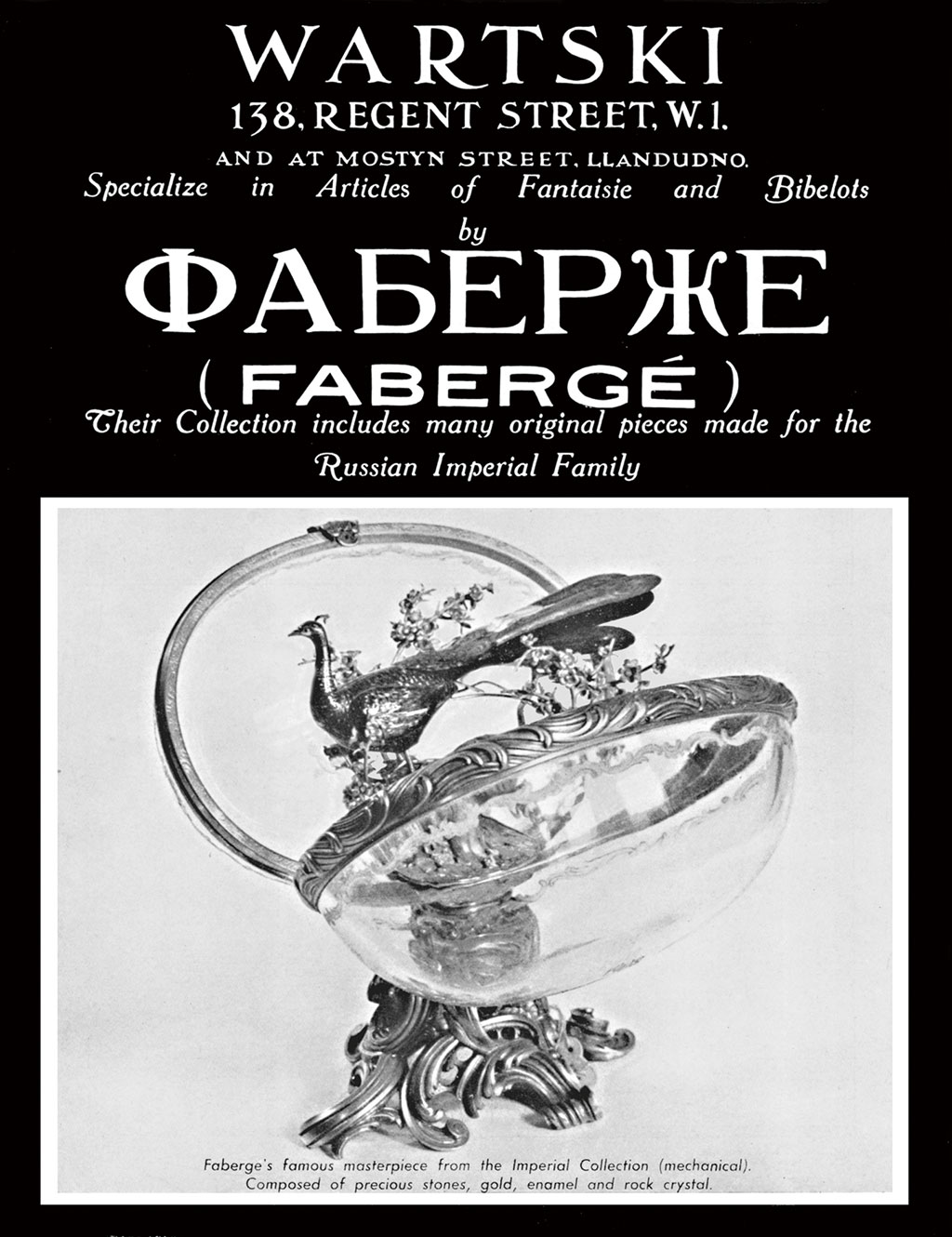
The 'Peacock Egg' is sold
The Imperial Easter egg made by Carl Fabergé for Tsar Nicholas II to present to his mother Dowager Tsarina Marie Feodorovna in 1908 is sold for a second time by Wartski.
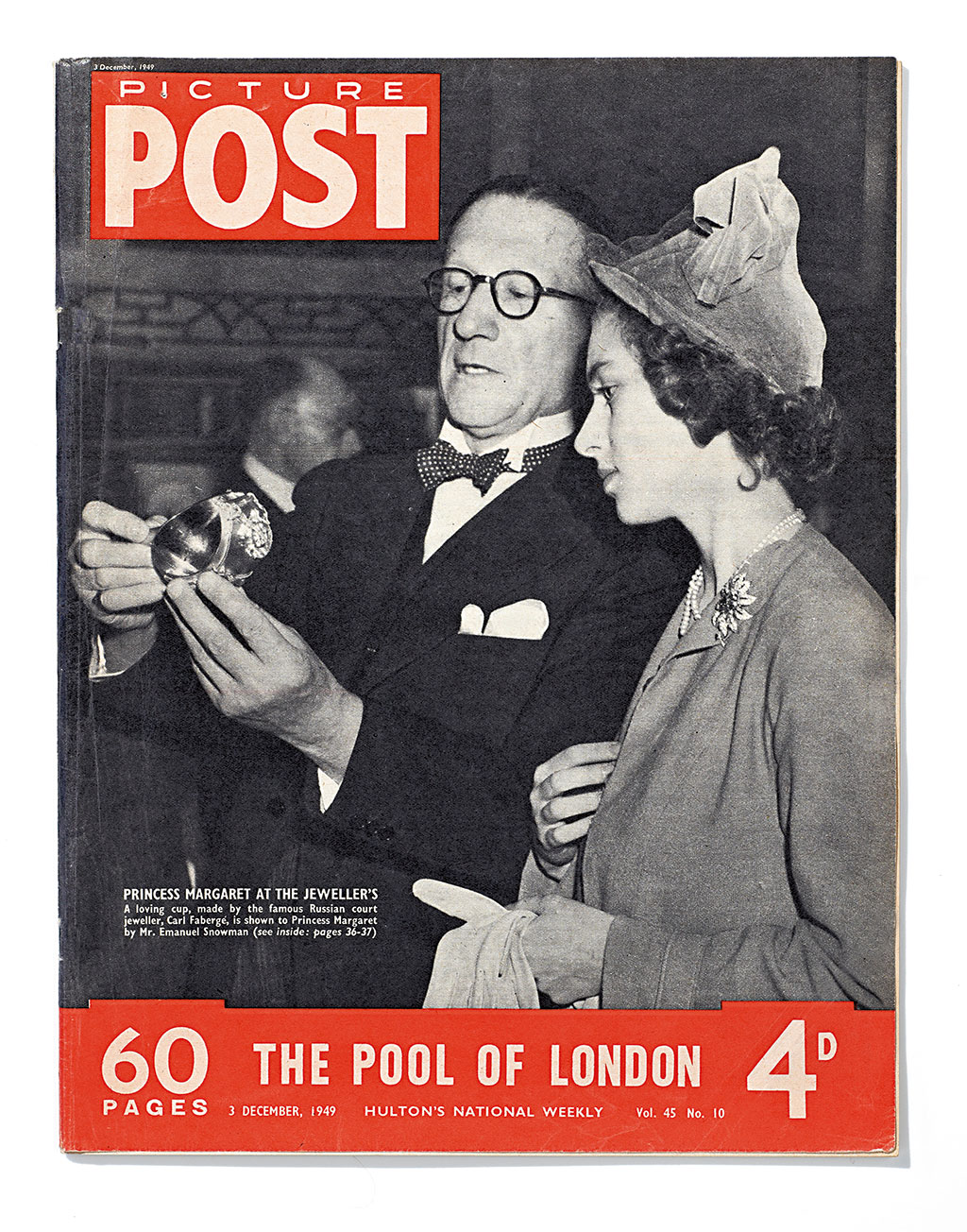
Princess Margaret first visits Wartski
Accompanying her grandmother Queen Mary to the shop, two years later during another trip to Wartski, the Princess would be photographed for the front cover of the Picture Post examining a jewelled kovsh with Emanuel Snowman.
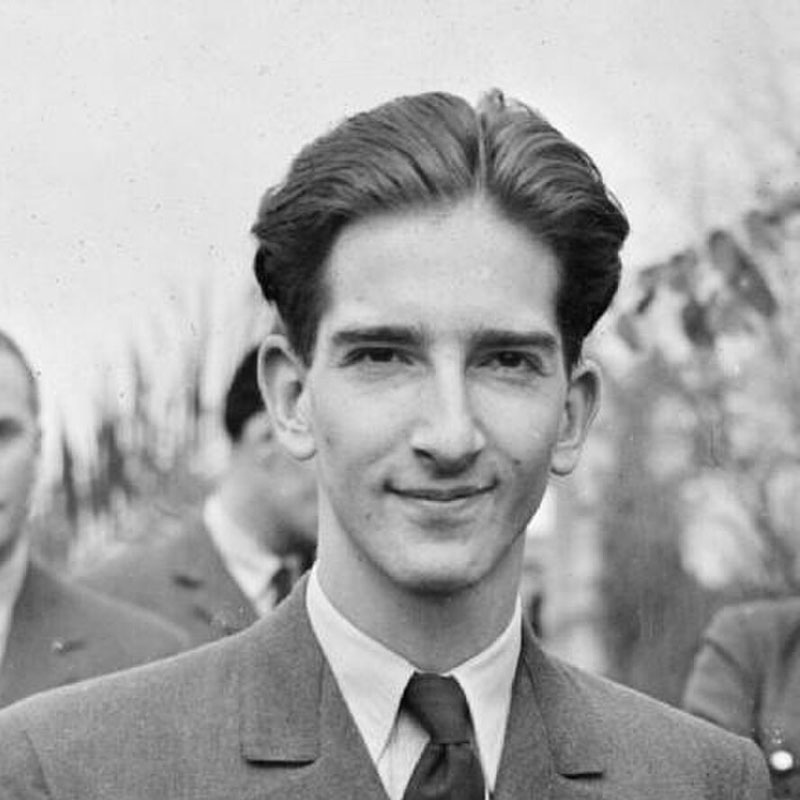
King Peter II of Yugoslavia visits Wartski
A godson of King George VI, he visited Wartski shortly before Christmas. During his visit he purchased a cane handle by Carl Fabergé of gold mounted rock crystal with pink enamel and diamonds.
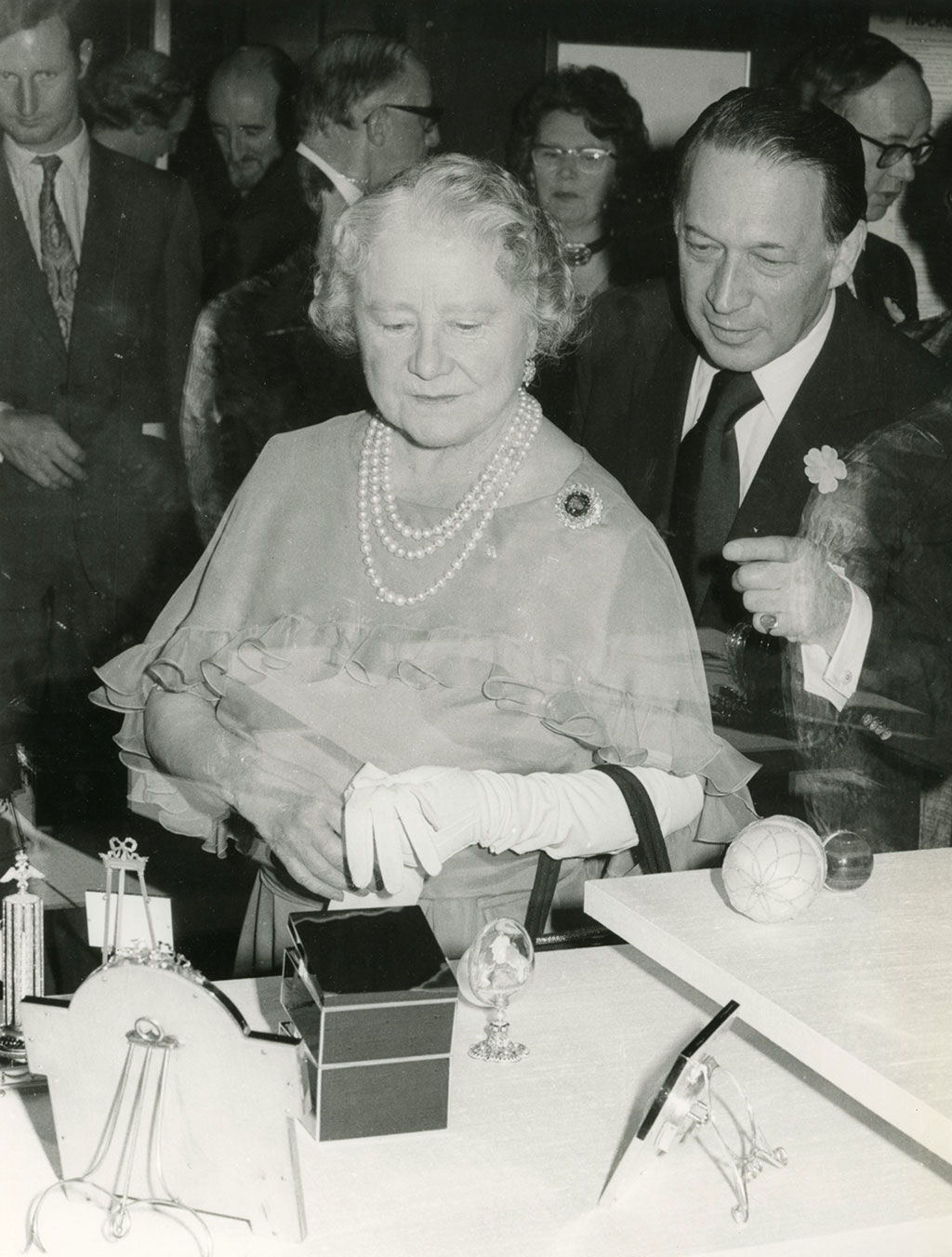
Wartski is granted the warrant of Her Majesty Queen Elizabeth
Wartski was honoured to be granted the warrant in 1944 as jewellers to Her Majesty Queen Elizabeth
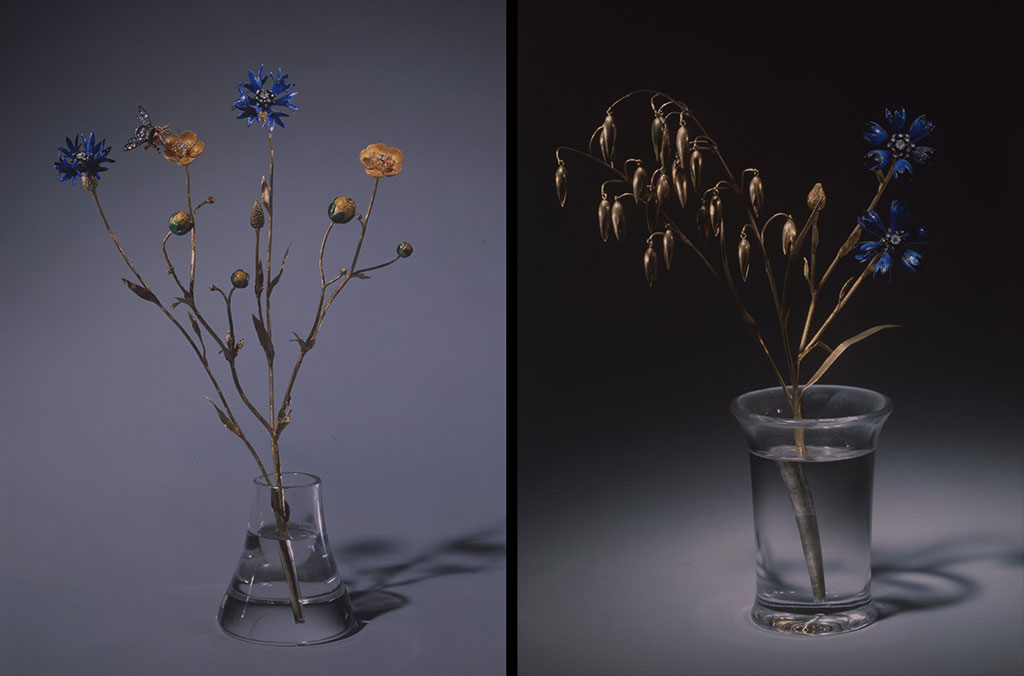
Queen Elizabeth purchases two flower studies by Carl Fabergé
The Queen purchases two sublime enamelled gold studies of cornflowers, one with buttercups and a diamond set bee, the other with a golden branch of wheat.
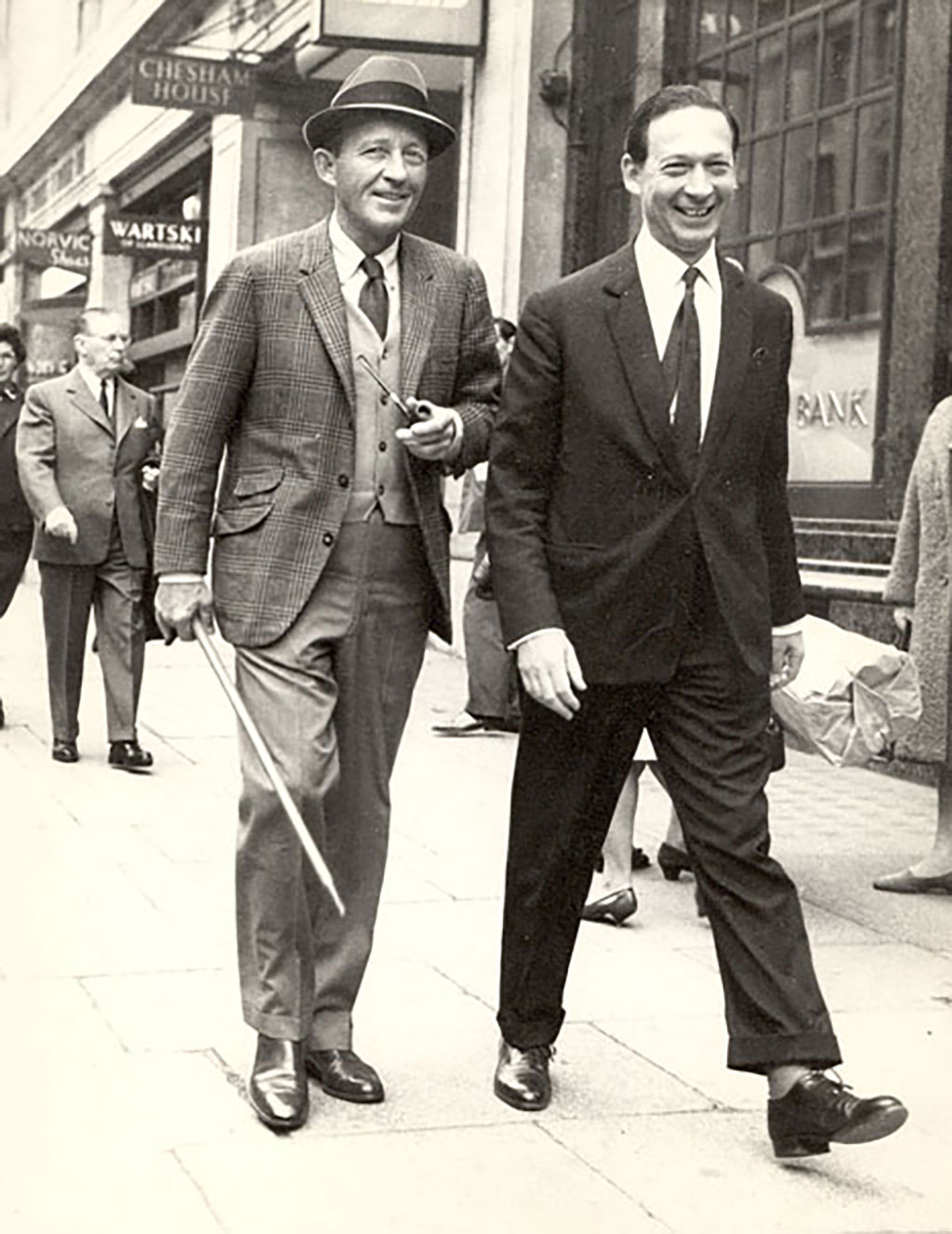
Kenneth Snowman (1919-2002) joins the firm
Emanuel Snowman’s son Kenneth joins the firm, after studying at Central Saint Martins and Byam Shaw School of Art. He would become the leading expert on the work of Carl Fabergé.
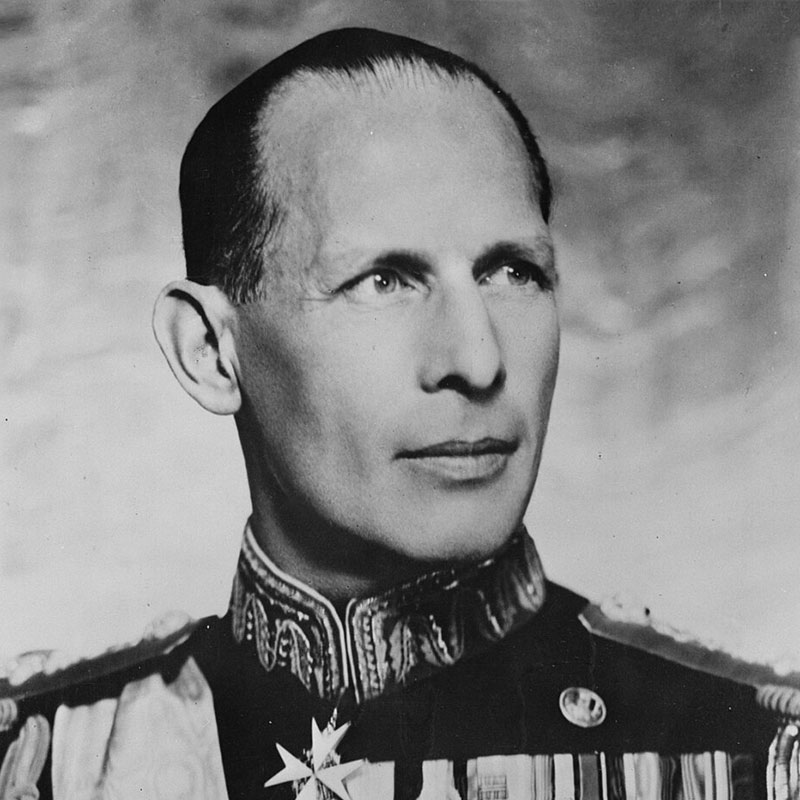
Wartski is granted the Warrant of Appointment of King George II of the Hellenes
The King has a particular predilection for the animal studies of Carl Fabergé
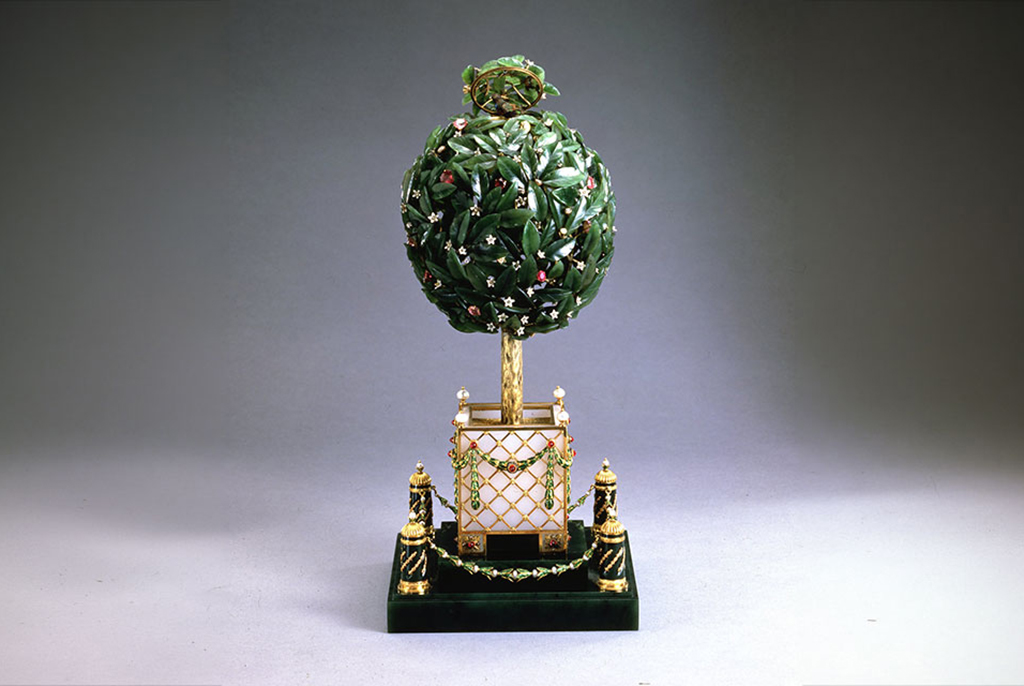
The ‘Bay Tree’ Egg is sold
The Imperial Easter egg made by Carl Fabergé for Tsar Nicholas II to present to his mother Tsarina Marie Feodorovna in 1911 is sold by Wartski.
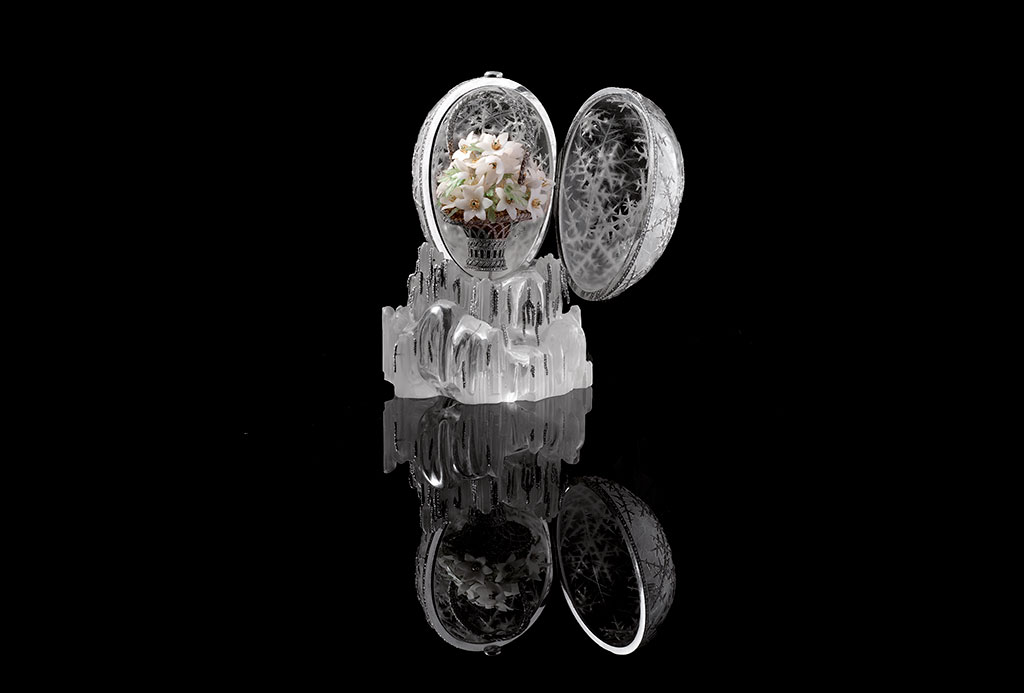
The ‘Winter Egg’ is sold
The Imperial Easter egg made by Carl Fabergé for Tsar Nicholas II to present to his mother Tsarina Marie Feodorovna in 1913 is sold by Wartski to Captain Napier Sturt, 3rd Baron Alington.
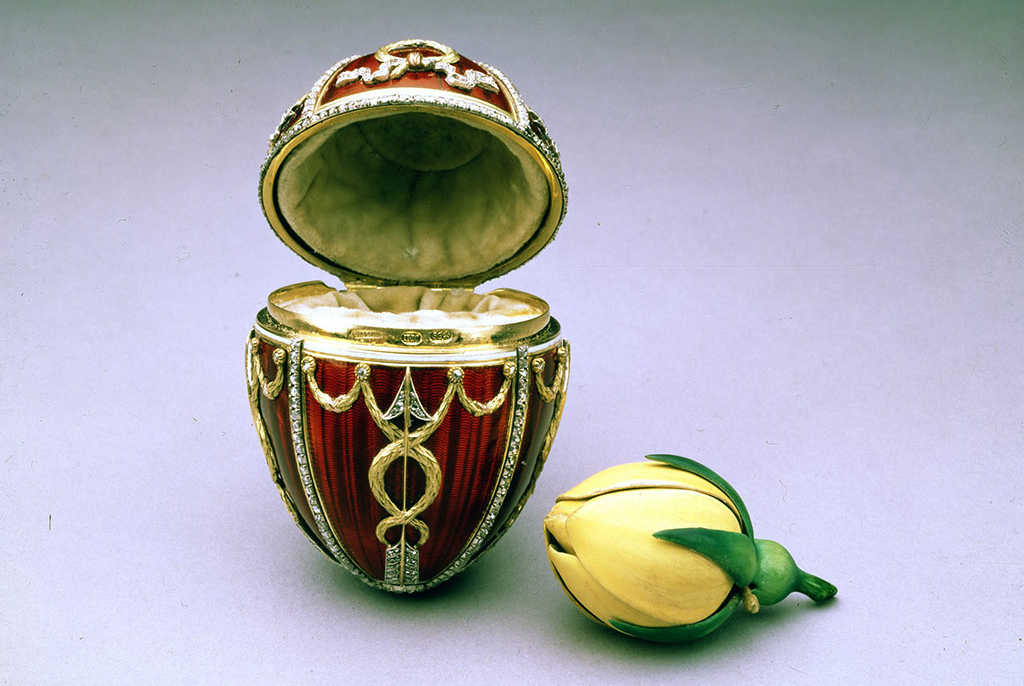
The ‘Rosebud Egg’ is sold
The Imperial Easter egg made by Carl Fabergé for Tsar Nicholas II to present to his wife Tsarina Alexandra Feodorovna in 1895 is sold by Wartski.
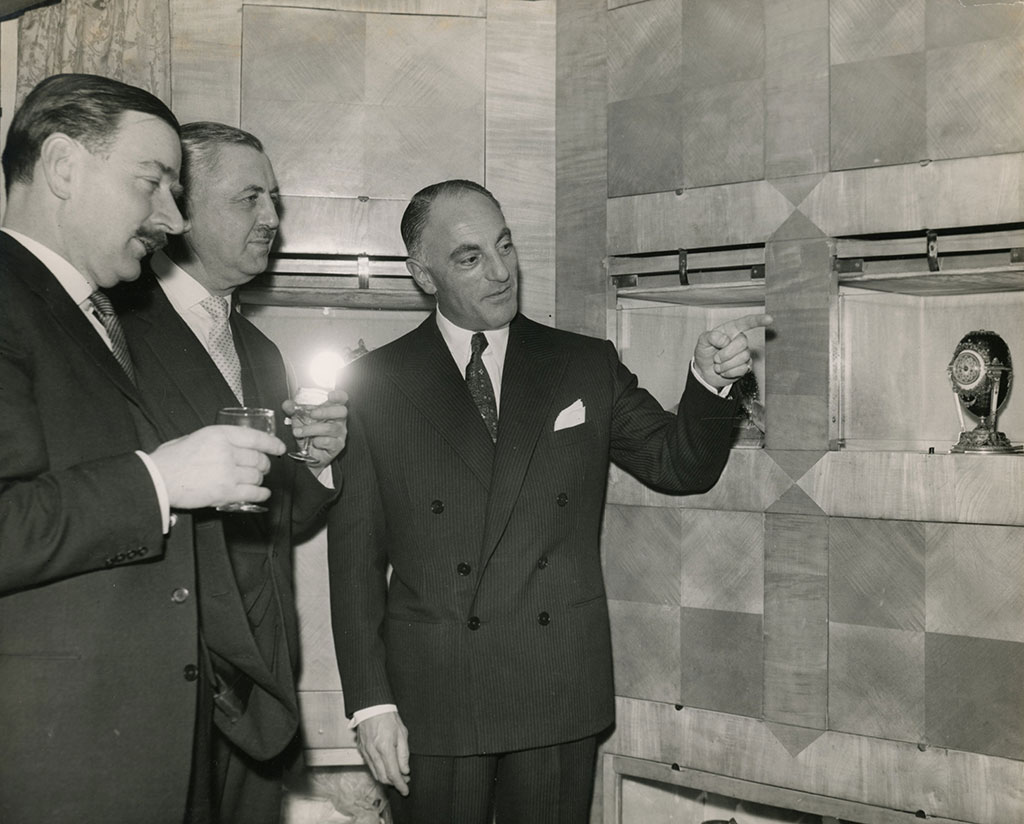
The ‘Cockerel Egg’ is sold
The Imperial Easter egg made by Carl Fabergé for Tsar Nicholas II to present to his mother Dowager Tsarina Marie Feodorovna in 1900 is sold by Wartski.
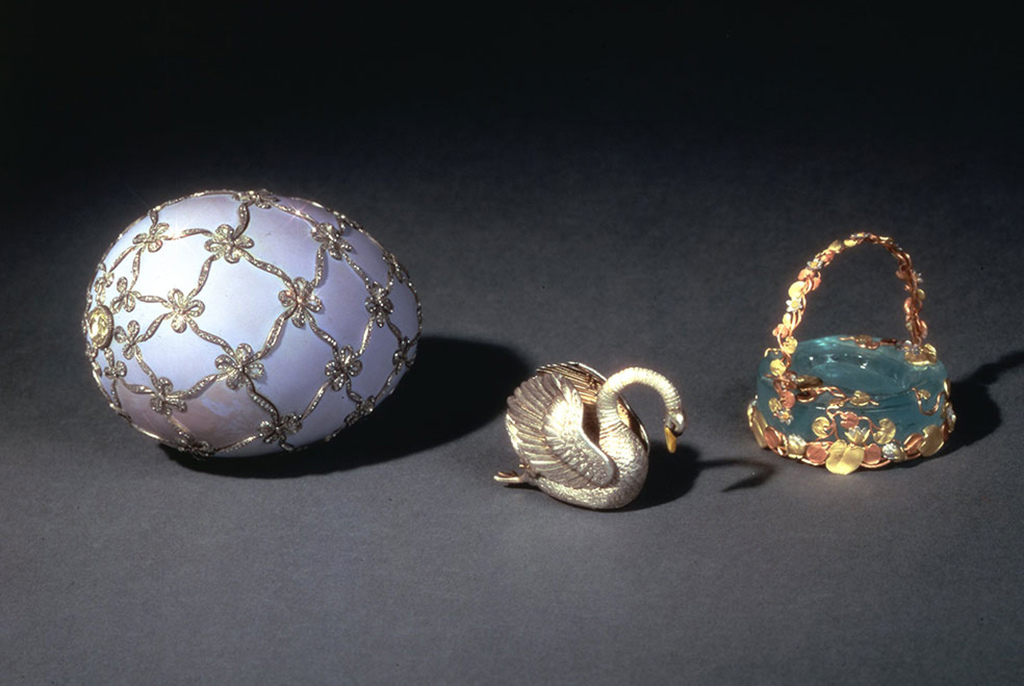
The ‘Swan Egg’ is sold
The Imperial Easter egg made by Carl Fabergé for Tsar Alexander III to present to his wife Tsarina Marie Feodorovna on Easter day in 1892 is sold by Wartski.
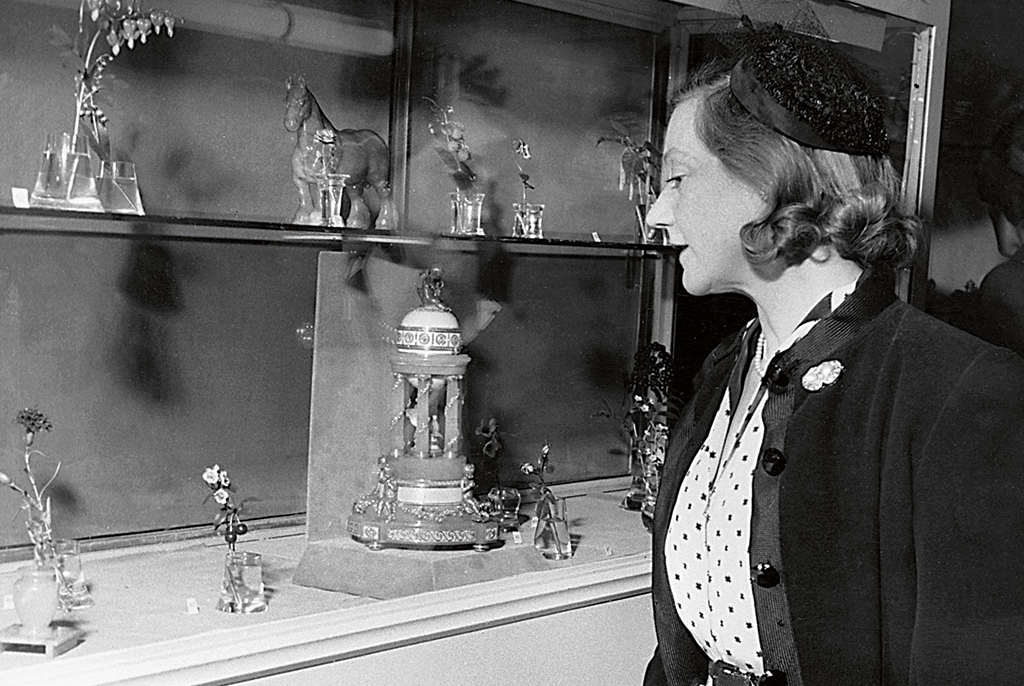
The ‘Colonade Egg’ is acquired by Queen Mary
The Imperial Easter egg made by Carl Fabergé for Tsar Alexander III to present to his wife Tsarina Marie Feodorovna on Easter day in 1892 is sold by Wartski.
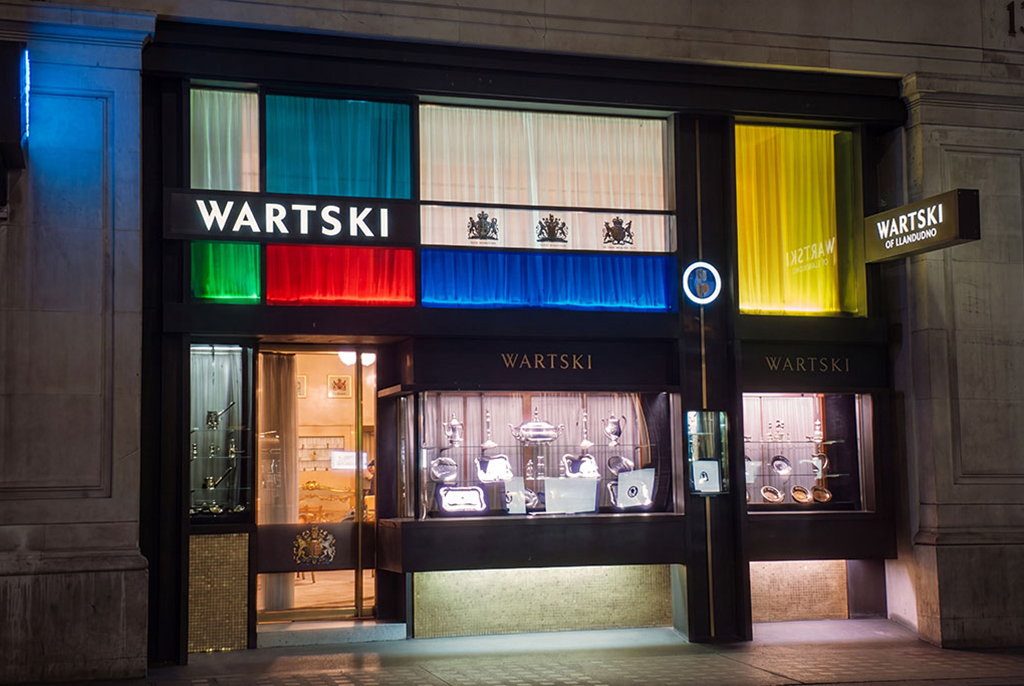
Wartski moves to 138 Regent Street
The London branch moves to Regent Street, where it would remain for 44 years. In 1960, the shop expanded to incorporate the adjoining premises and a distinctive new shop front was designed by Sir Denys Lasdun CH. A striking modernist design, it used panels of colored glass within a geometric framework, echoing a Mondrian painting.
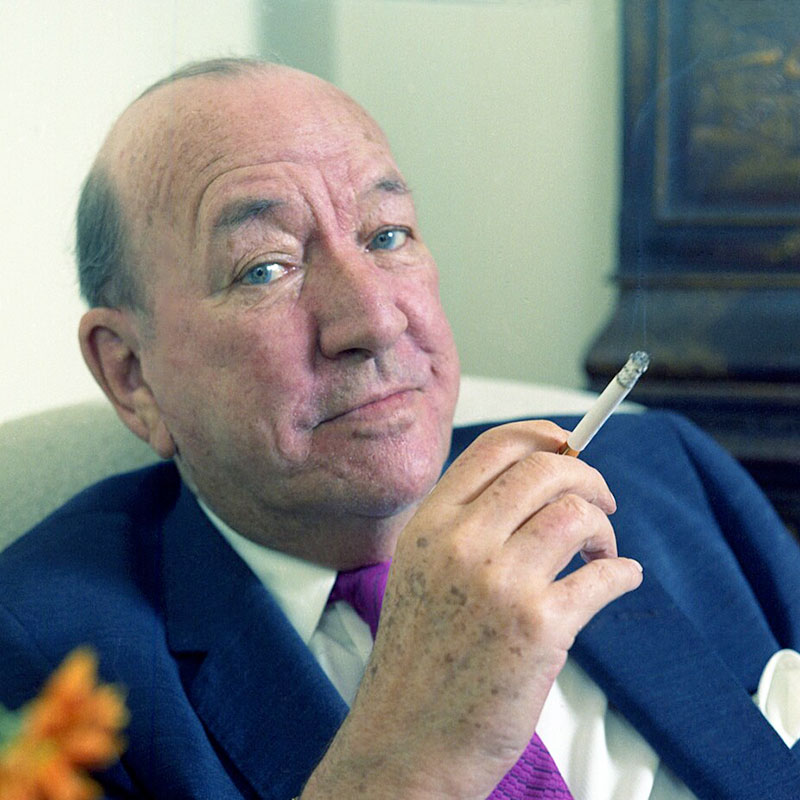
Noel Coward visits Wartski
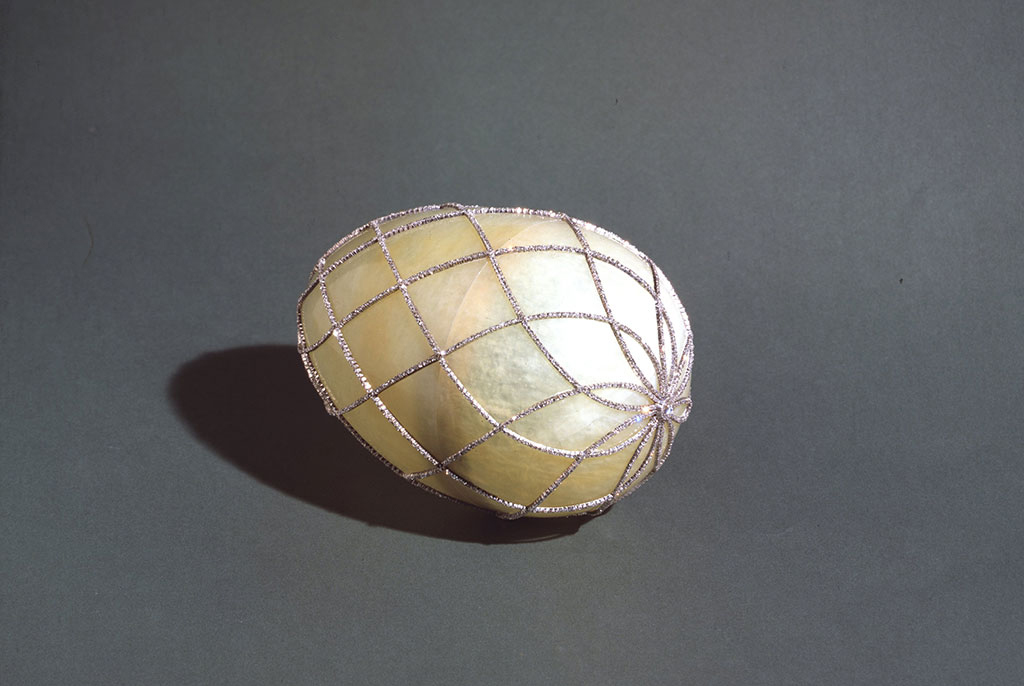
The ‘Diamond Trellis Egg’ is sold
The Imperial Easter egg made by Carl Fabergé for Tsar Alexander III to present to his wife Tsarina Marie Feodorovna on Easter day in 1892 is sold by Wartski.
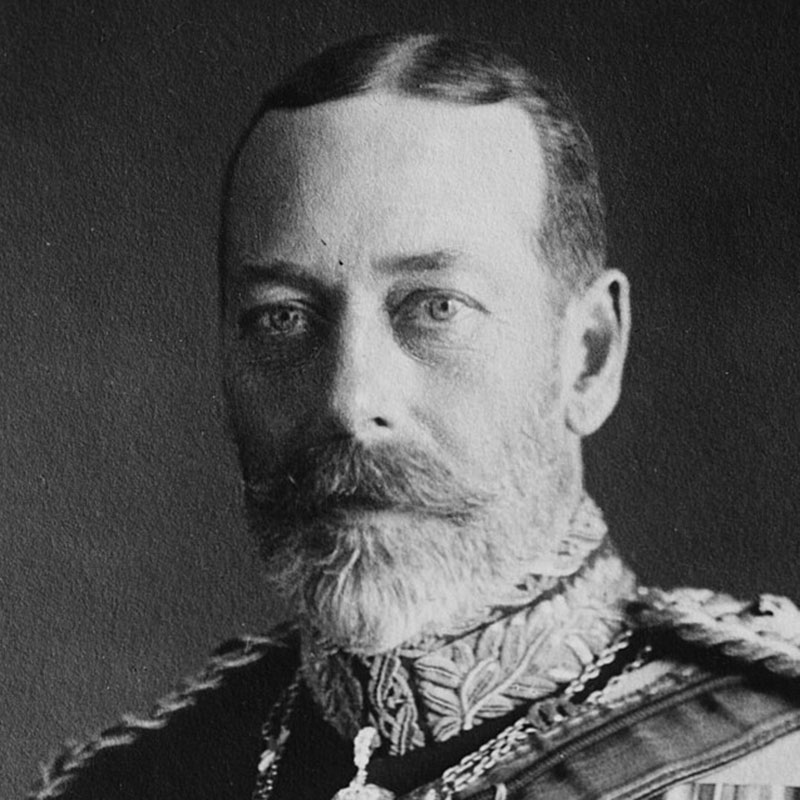
King George V makes a personal visit to Wartski
On 17th December, 1929, King George V visited Wartski. The press remarked that “The king, who is the owner of some of the finest jewels in the world, was keenly interested in two famous French gems when he visited the Court jeweller in Regent Street. One of them was a green diamond that Napoleon gave to the Empress Josephine and which is unique for its depth of colour. The other was an emerald the size of a plover’s egg that was a favourite ring of Marie Antoinette, given to her by her husband.”
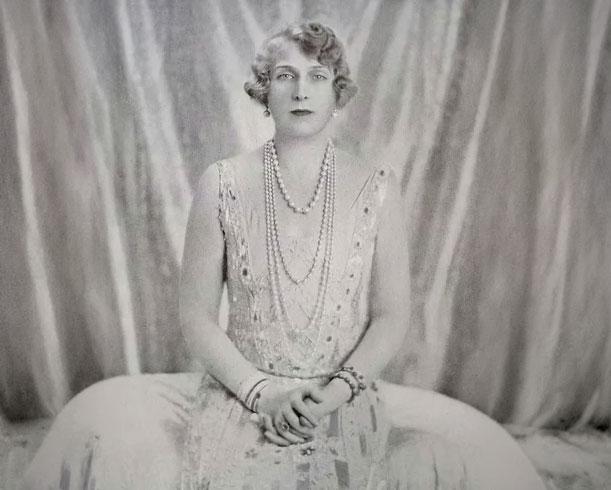
Queen Victoria Eugenia of Spain visits Wartski
The consort of King Alphonso XIII and cousin of King George V, Queen Victoria Eugenia became a regular customer of Wartski, visiting the shop on several occasions. Among the pieces she acquired was a ravishing carved nephrite and ruby box in the form of a pomegranate which she purchased on 16th November, 1929.
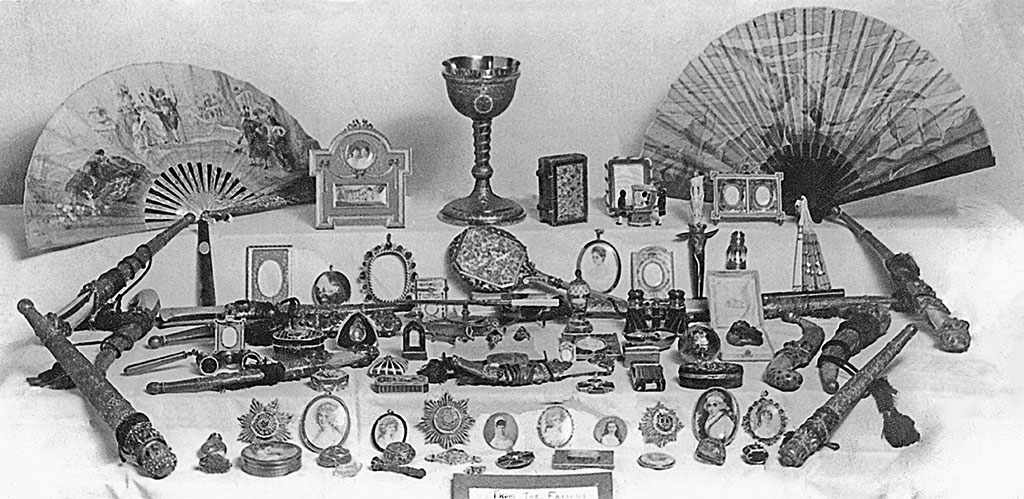
Wartski presents the Russian treasures to King George V and Queen Mary
Emanuel Snowman attends Buckingham Palace on 22nd November, 1927 to present the King and Queen with a selection of the treasure from Russia.
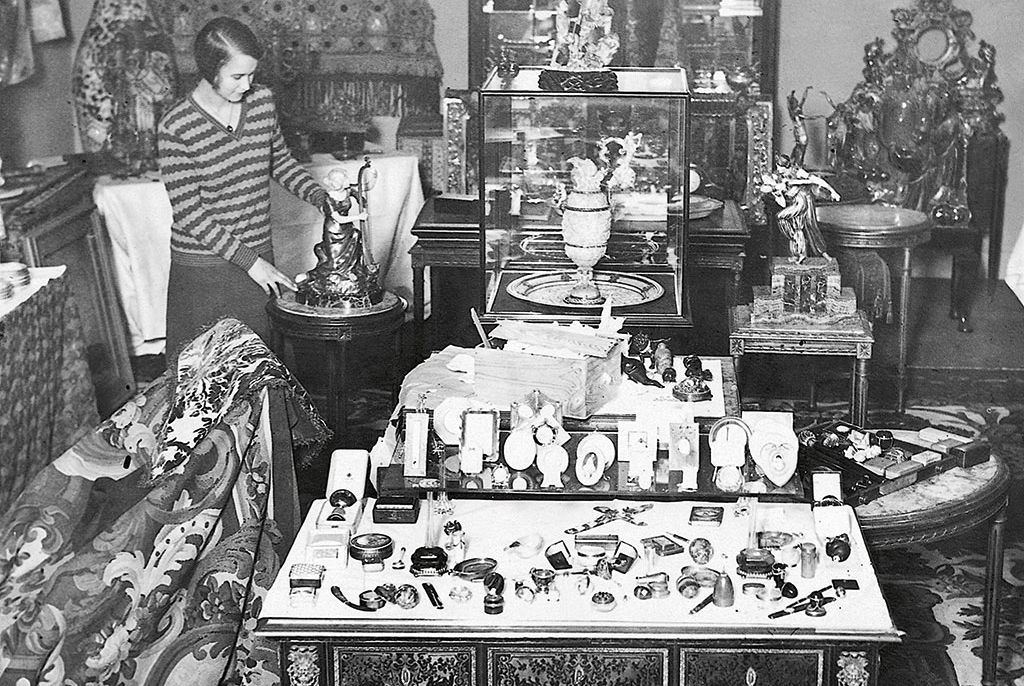
Wartski first acquires treasures from the USSR People’s Commissariat for Foreign Trade
It is around this date that Wartski starts to purchase jewels and objets de vertu from Russia and begin the long association with the work of Carl Fabergé, gaining a worldwide reputation for its expertise on the subject. Among the treasure we acquired were a dozen Imperial Easter Eggs.
Wartski moves to 5 Quadrant Arcade
The London branch moves to 5 Quadrant Arcade on Regent Street.
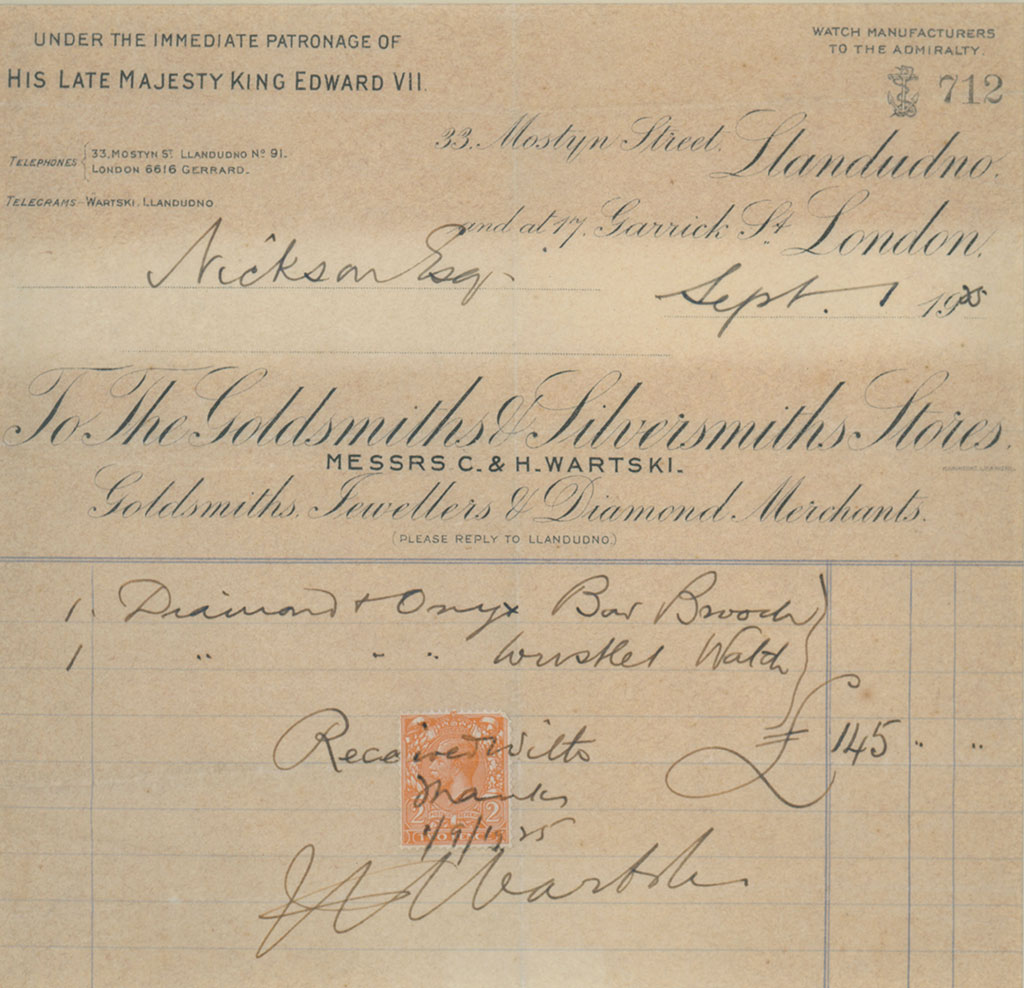
Wartski moves to 17 Garrick Street
The London branch moves to 17 Garrick Street, next door to the famous Garrick Club.
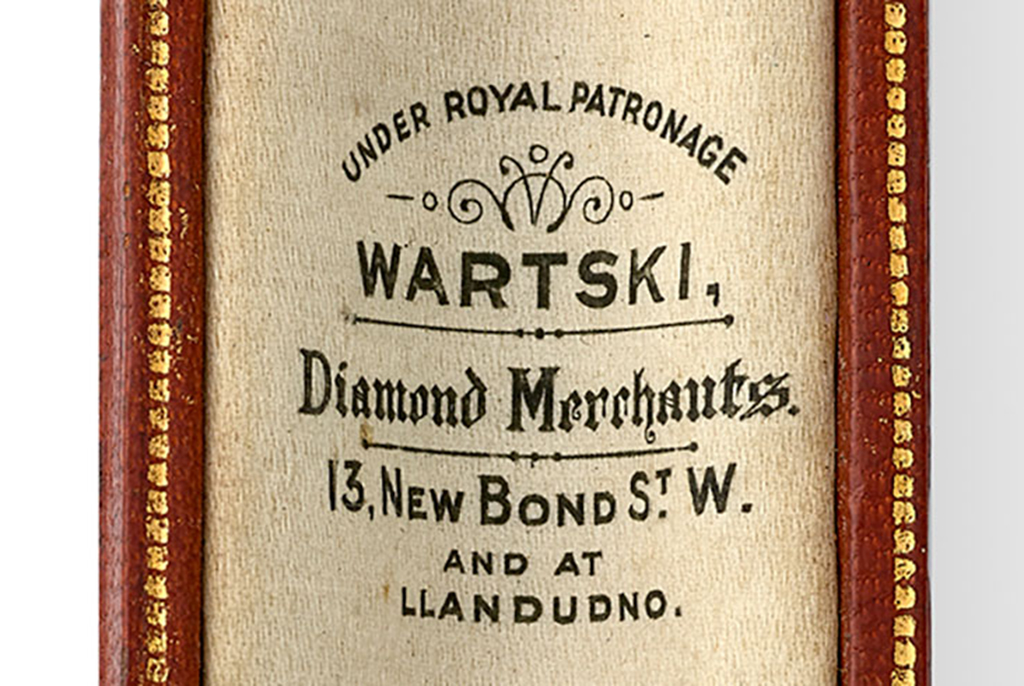
Wartski opens the London branch
Emanuel Snowman (1886-1970), who had married Morris Wartski’s daughter Harriette in 1909, decides to open a new branch of the shop in the capital and in 1913 Wartski opens at 13 New Bond Street.
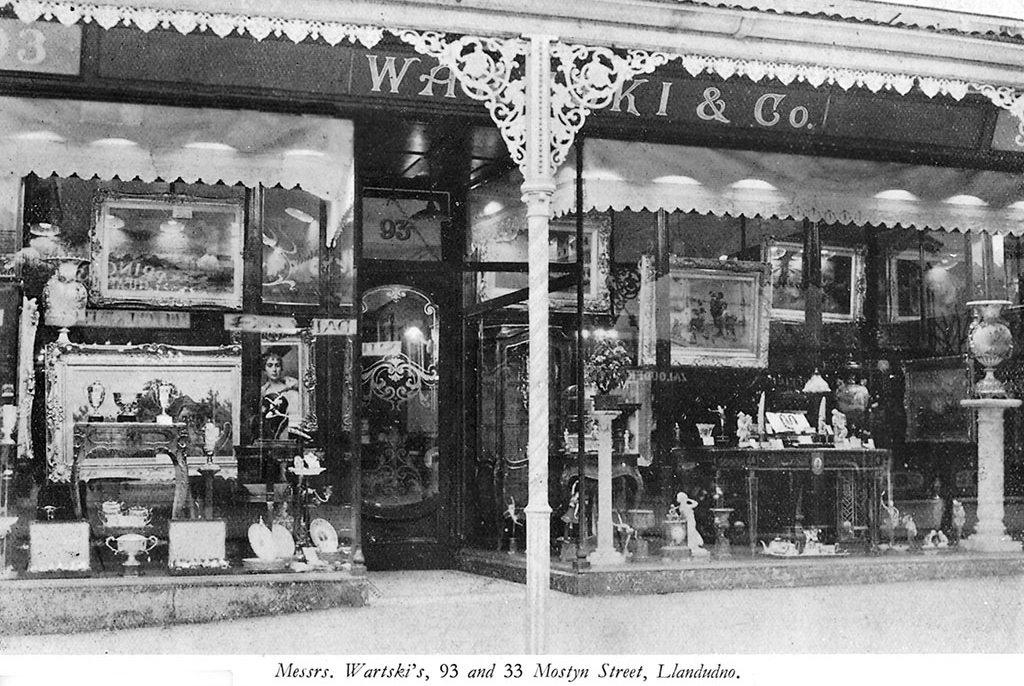
Wartski moves to 33 and 93 Mostyn Street, Llandudno
Mostyn Street was said to boast more royal warrants than anywhere outside London and was the perfect home for Wartski’s new premises, with large windows groaning with jewellery, silver and precious objets d’art.
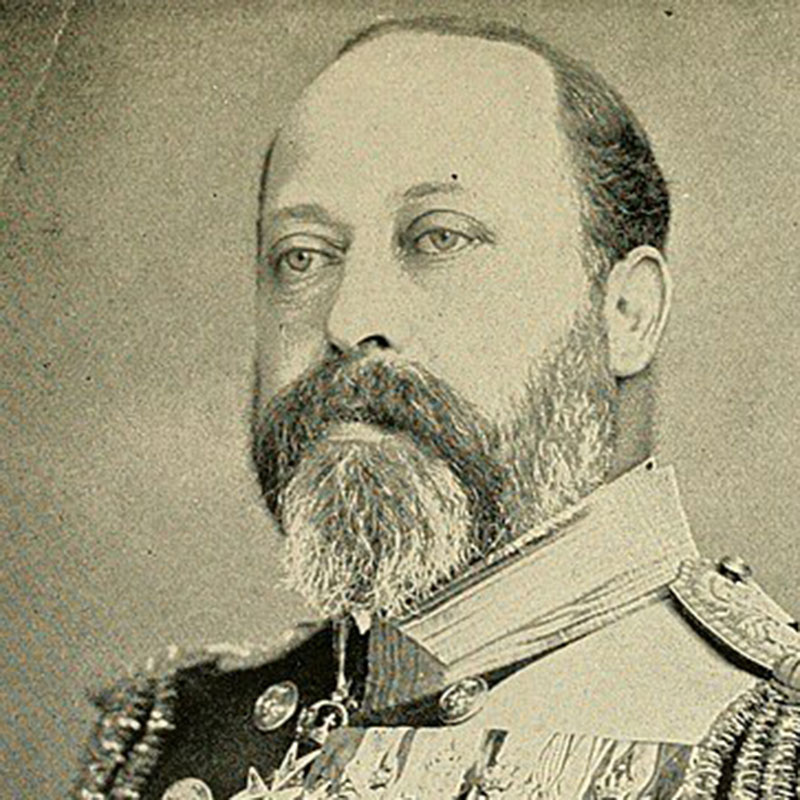
King Edward VII patronage
During visits to Wales to take the waters for his ailing health, King Edward VII become an early customer of Wartski.
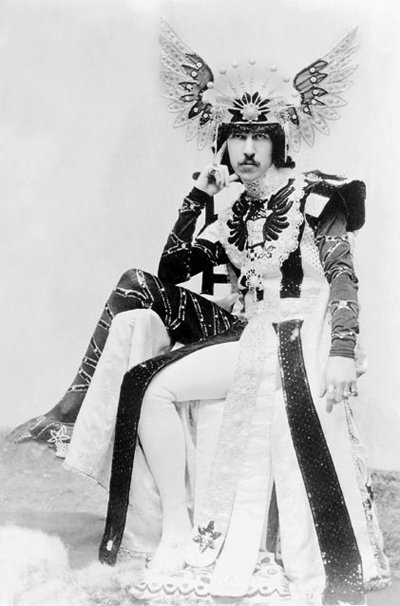
Morris Wartski meets Henry Paget, Marquess of Anglesey
It was thanks to a chance meeting with the Henry Paget, 4th Marquess of Anglesey that Morris Wartski obtained his first premises in Bangor. The colourful 5th Marquess, known affectionately as ‘The Dancing Marquess,’ would become an important customer of the early shop, as he indulged his passion for jewellery and beautiful things.
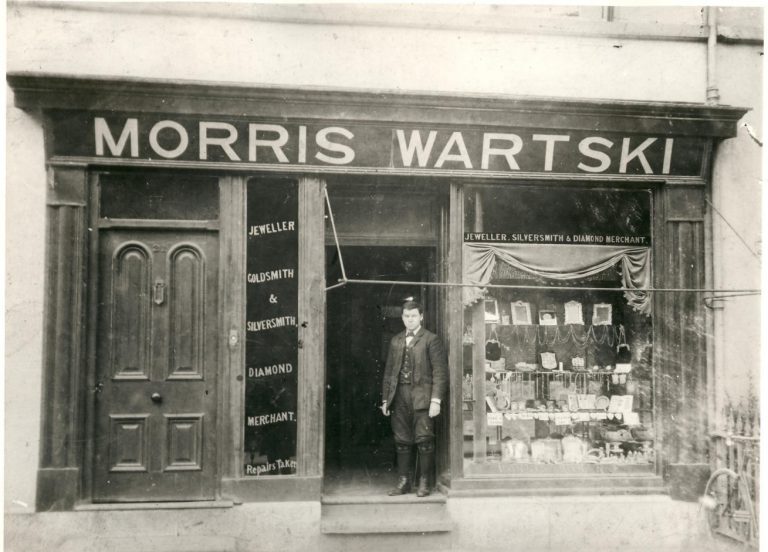
Wartski trading at 21 High Street, Bangor
Morris Wartski is registered as living and trading from this address as early as 1895. It was during these early years that Wartski encountered the future Prime Minister David Lloyd George, who acted as the firm’s legal adviser.